South Georgia Island
South Georgia Island
Remote, windswept and teeming with wildlife, South Georgia Island is a sub-Antarctic jewel that draws adventure travelers seeking unparalleled encounters with nature. Rising sharply from icy seas, its rugged mountains and sweeping glaciers frame vast king penguin rookeries, elephant seal haul-outs and albatross nesting grounds. For those embarking on luxury expedition cruises, South Georgia offers breathtaking wildlife spectacles, storied exploration history and an authentic sense of polar discovery.
Introduction to South Georgia Island
Main Highlights of South Georgia Island
How to Visit South Georgia Island
Activities & Experiences
Practical Information for Travelers
Interesting Facts & Unique Features
Geographical Overview
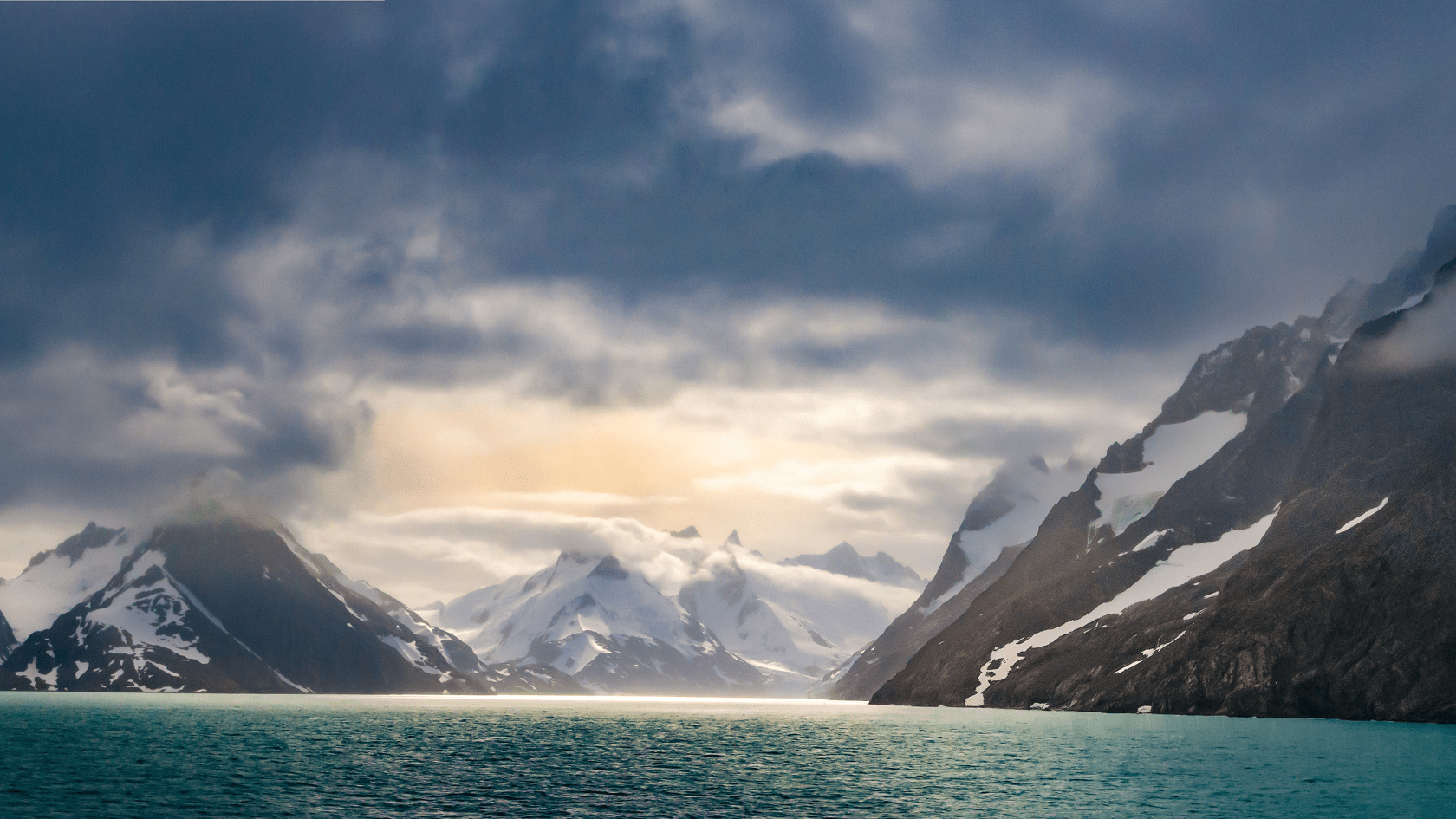
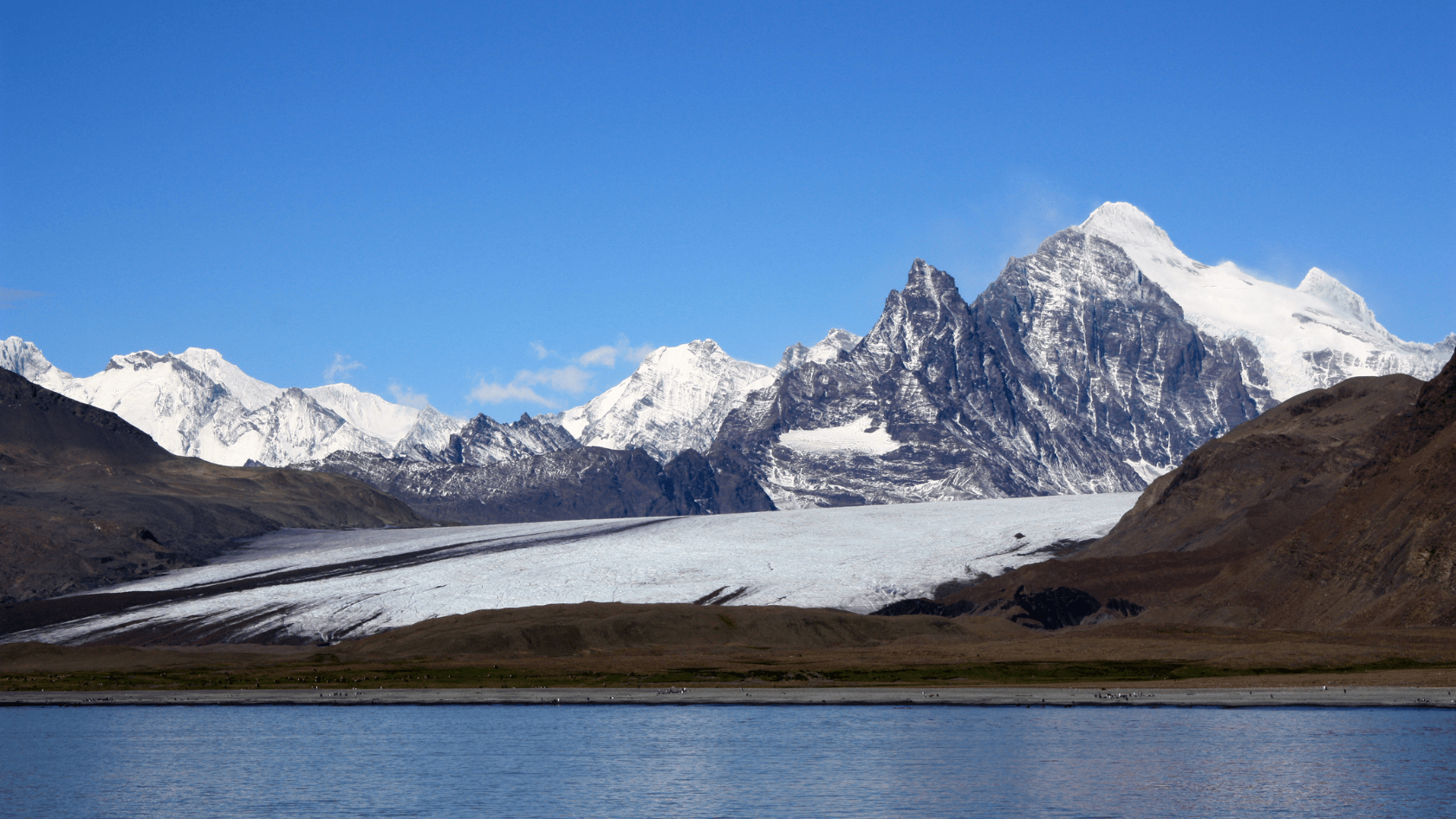
South Georgia Island lies at approximately 54°–55° South, 36°–38° West, some 1,300 km east of the Falklands. Roughly 170 km long and up to 35 km wide, its spine of jagged peaks—many rising above 2,000 m—feeds numerous tidewater glaciers that cascade into glacial fjords. The island’s steep, rocky coastline alternates between pebble beaches and sheer cliffs, while the interior supports sparse tundra vegetation amid snowfields and icecaps.
Historical & Scientific Significance
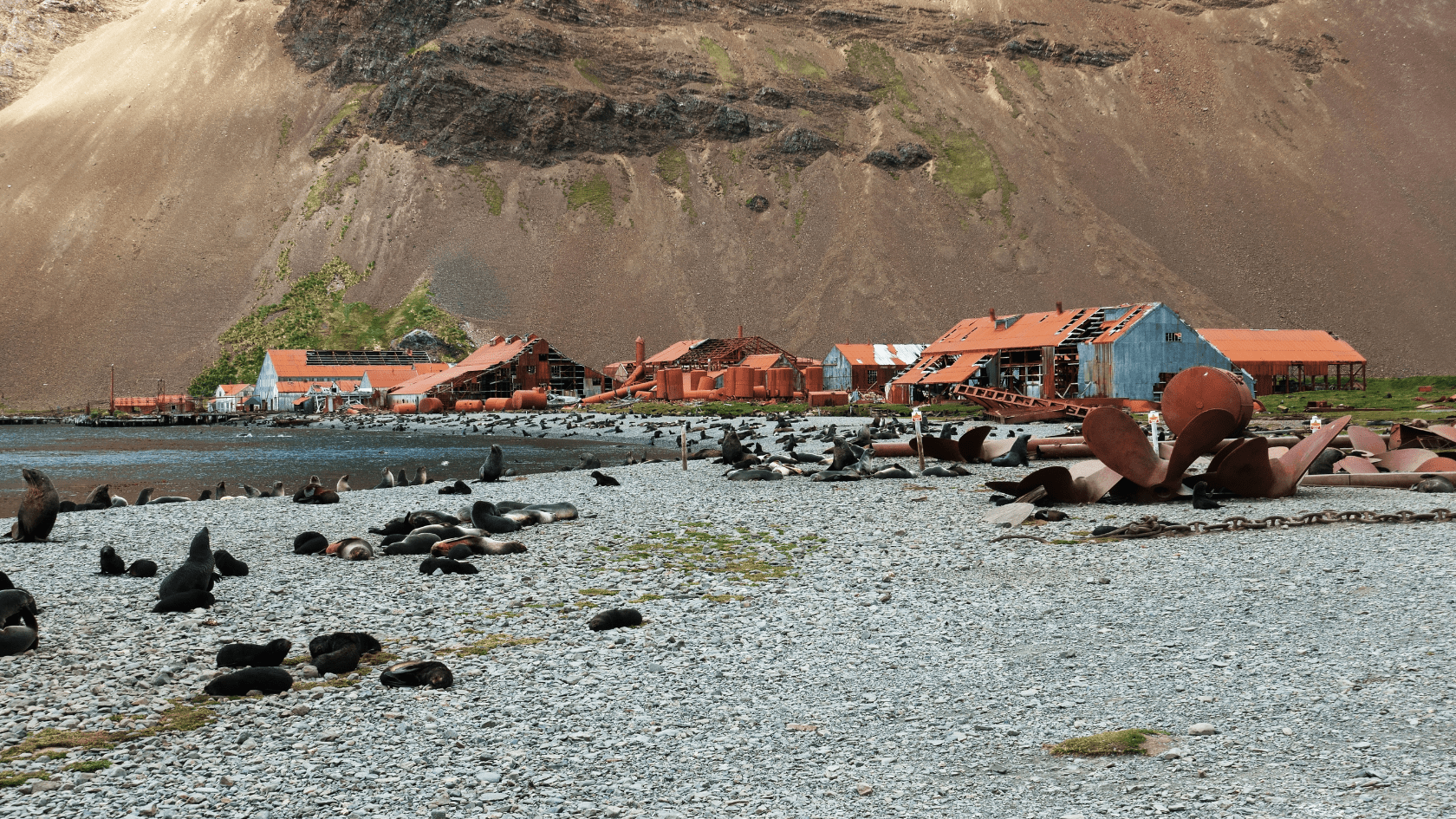
First sighted in 1675 by Anthony de la Roché and charted by Captain Cook in 1775, South Georgia became a hub for 19th- and early-20th-century whaling stations—most notably Grytviken, established in 1904. Its remote location and extreme environment have since attracted scientific teams studying glaciology, marine biology and climate change. Visitors often step ashore at historic station ruins and pay respects at the grave of Sir Ernest Shackleton, whose final expedition anchored here in 1922.
Wildlife Encounters
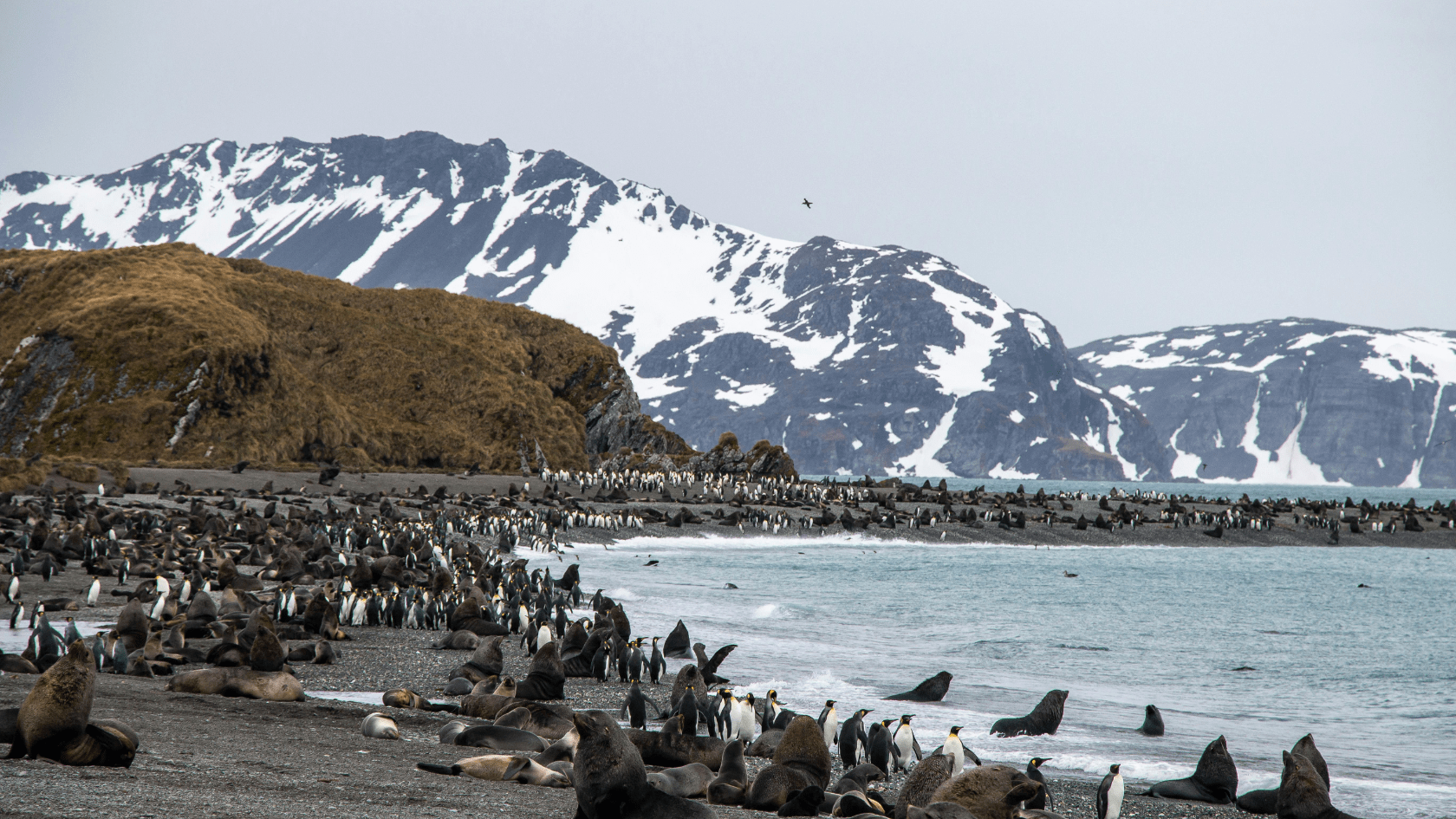
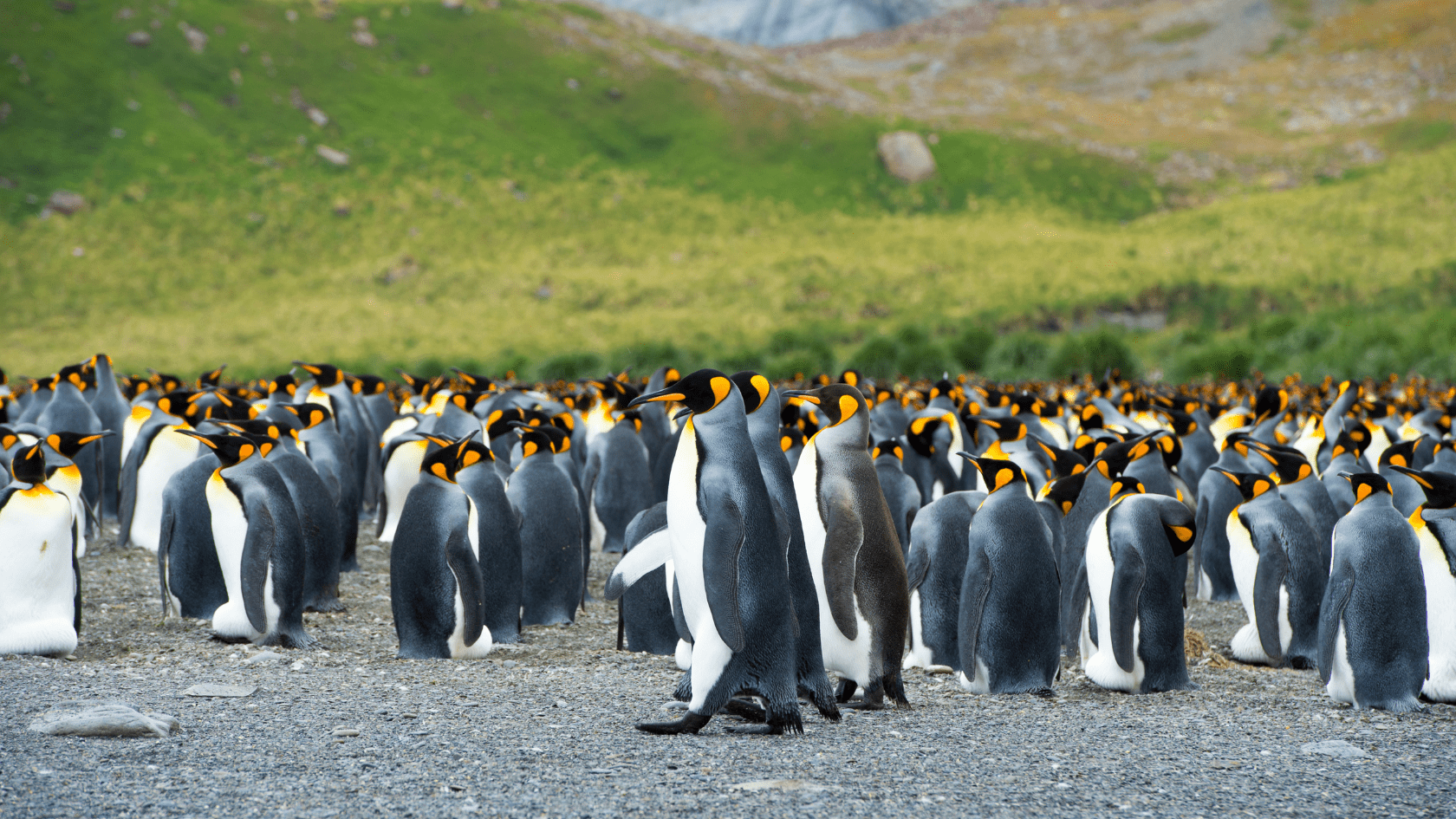
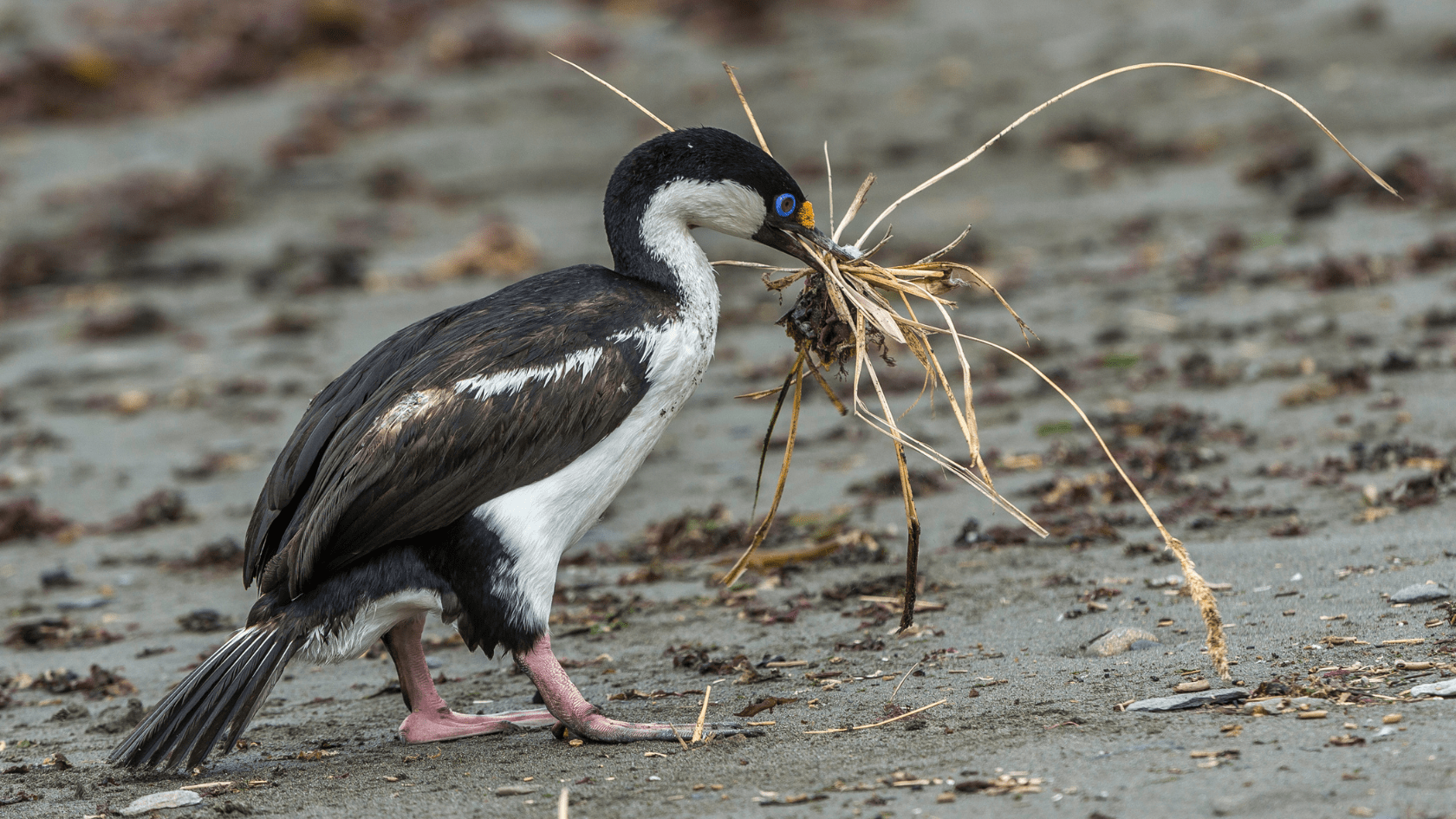
South Georgia is renowned as the wildlife mecca of the Southern Ocean. At St. Andrew’s Bay, over 150,000 king penguins form a living tapestry of gold and black during peak breeding season from November to February. Nearby Cooper Island hosts tens of thousands of macaroni penguins alongside black-browed albatross colonies. Elephant and fur seals congregate on broad beaches like Elsehul, while wandering albatrosses soar overhead. Dolphins and whales—including orcas and humpbacks—are frequently sighted in the nutrient-rich waters surrounding the island.
Scenic Landmarks
Grytviken’s rusting whaling station and memorial cross mark the island’s human legacy amidst towering glacier walls. The South Georgia Museum preserves artifacts from early sealing and whaling eras. Dramatic fjords such as Cumberland and Wilson provide sheltered Zodiac cruising, where icebergs calve from glaciers like Neumayer and Fortuna. Mount Paget, the island’s highest peak at 2,935 m, looms over rugged terrain—visible from sea on clear days.
Conservation & Protected Areas
South Georgia and the South Sandwich Islands Marine Protected Area covers over 1 m km² of ocean, one of the world’s largest. The South Georgia Heritage Trust leads habitat restoration projects, eradicating invasive rodents to protect nesting seabirds. Expedition operators adhere to strict IAATO and IUCN guidelines: group sizes ashore are limited, waste is retained onboard, and all landings follow biosecurity protocols to prevent non-native species introduction.
Typical Cruise Itineraries
South Georgia is most commonly visited on 19–23-day voyages that combine the Falklands, South Georgia and the Antarctic Peninsula. Ships typically depart Ushuaia, Argentina, cross the Drake Passage, then call at Stanley (Falklands) before reaching South Georgia’s whaling coves. After 3–4 days of exploration, vessels continue south to the peninsula or return north via a fly-cruise option to minimize Drake Passage time.
- Itinerary A: 19 nights Ushuaia → Falklands → South Georgia → Antarctic Peninsula → Ushuaia.
- Itinerary B: 21 nights Ushuaia → Falklands → South Georgia → South Sandwich Islands → Antarctic Peninsula → Ushuaia.
- Itinerary C: 23 nights extended voyage including full South Georgia circumnavigation and Ocean Biological Zone exploration.
Best Time to Travel
The prime window is November through March. Early season (November–December) offers pristine snowscapes and arriving penguin chicks; mid-season (January) brings warmest temperatures (0 °C to +5 °C) and abundant wildlife activity; late season (February–March) features peak whale feeding and dramatic iceberg calving. These months also boast the longest daylight—up to 20 hours—maximizing shore time.
Expedition Landings
Expert naturalists conduct Zodiac cruises and shore excursions to sites like Salisbury Plain, St. Andrews Bay and Grytviken. Each landing—capped at 100 guests ashore at once—lasts 1–2 hours and reveals penguin colonies, seal haul-outs and historical remnants. Safety briefings precede every outing, ensuring respect for wildlife and terrain.
Adventure Excursions
Sea-kayaking is available on many vessels, allowing small groups to paddle past icebergs and between curious penguins and fur seals. Zodiac photo cruises linger in wildlife hotspots, offering up-close perspectives for photographers. On select ships, guided wildlife photography workshops elevate your skills while observing South Georgia’s fauna.
Onboard Enrichment
Daily lecture series by marine biologists, glaciologists and polar historians provide context on ecology, geology and human heritage. Citizen-science programs—plankton sampling, bird-count surveys—invite guests to contribute data to ongoing research. Evening recaps and photo-review sessions ensure every discovery is captured and understood.
What to Pack
Essentials include thermal base layers, waterproof outer shell, insulated gloves, warm hat and sturdy, waterproof boots with ankle support. A waterproof daypack, UV-protected sunglasses and high-SPF sunscreen round out your kit for Zodiac and shore activities.
Health & Safety
Ships carry medical officers and follow IAATO-mandated emergency procedures. Briefings cover cold-weather safety, Zodiac boarding and wildlife-distance rules. Satellite communications and evacuation plans ensure rapid response in remote areas.
Environmental Etiquette
As part of the Antarctic Treaty system, all waste is retained onboard, single-use plastics are banned, and visitors must maintain at least five meters from wildlife. Pre-landing boot disinfecting prevents non-native species transfer, preserving South Georgia’s fragile ecosystems.
Record-Breaking Sites
St. Andrew’s Bay hosts one of the world’s largest king penguin colonies—over 150,000 pairs at peak. Mount Paget, at 2,935 m, is the highest point in any sub-Antarctic territory.
Cultural & Literary Connections
The grave of Sir Ernest Shackleton in Grytviken draws pilgrims following in his footsteps. South Georgia’s tales feature in Shackleton’s “South” and Frank Hurley’s iconic expedition photography.
Conservation & Research Partnerships
Expedition operators collaborate with the South Georgia Heritage Trust, British Antarctic Survey and WWF to fund habitat restoration and wildlife monitoring. Guests’ citizen-science contributions inform conservation policy across the Southern Ocean.
South Georgia Island´s itineraries
Emblematic Antarctica
Discover the highlights of the Antarctic Peninsula on this 10-night luxury expedition aboard L’Boreal.
- 8 days
- Le Boréal