Punta Arenas

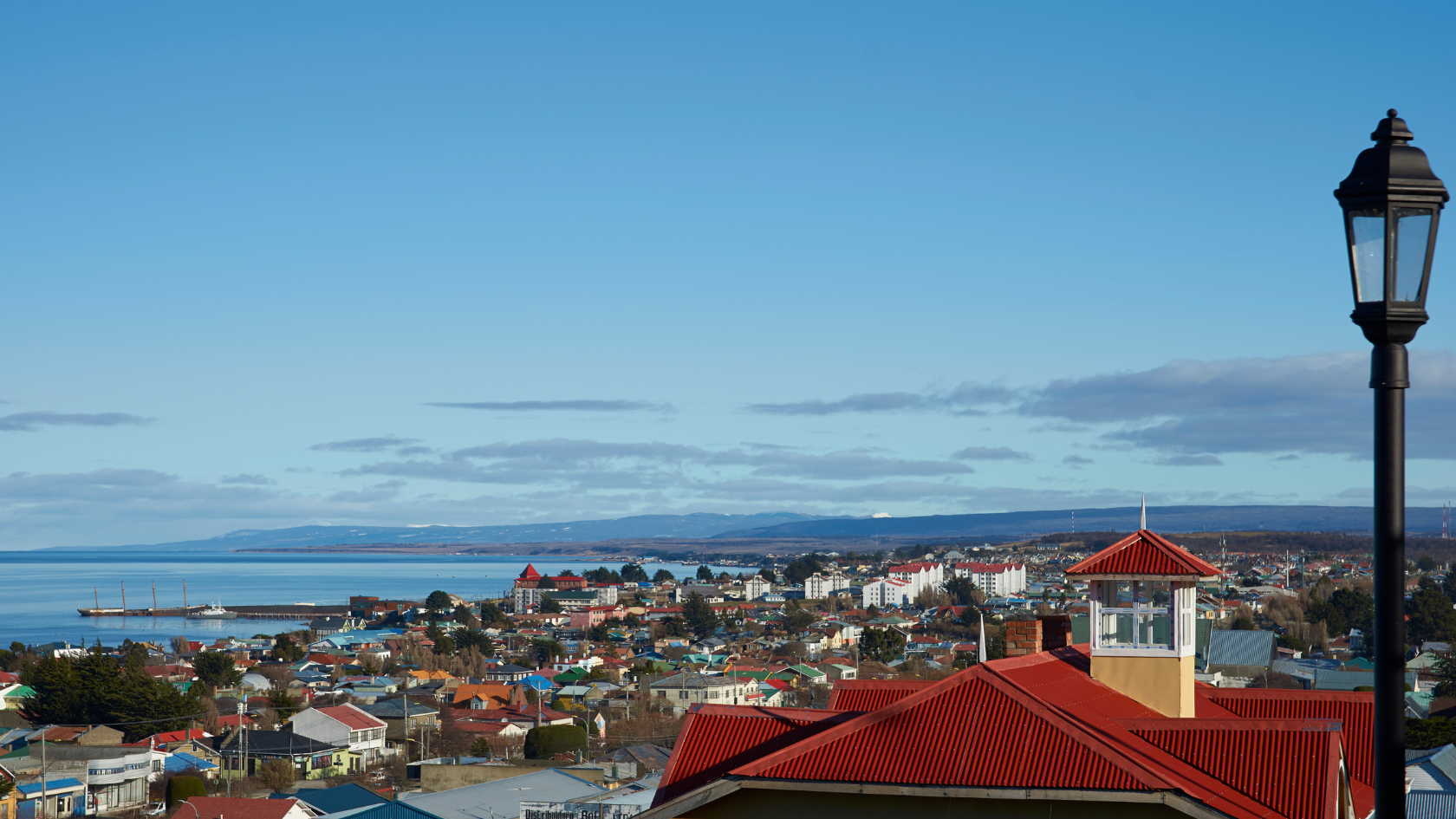
Punta Arenas
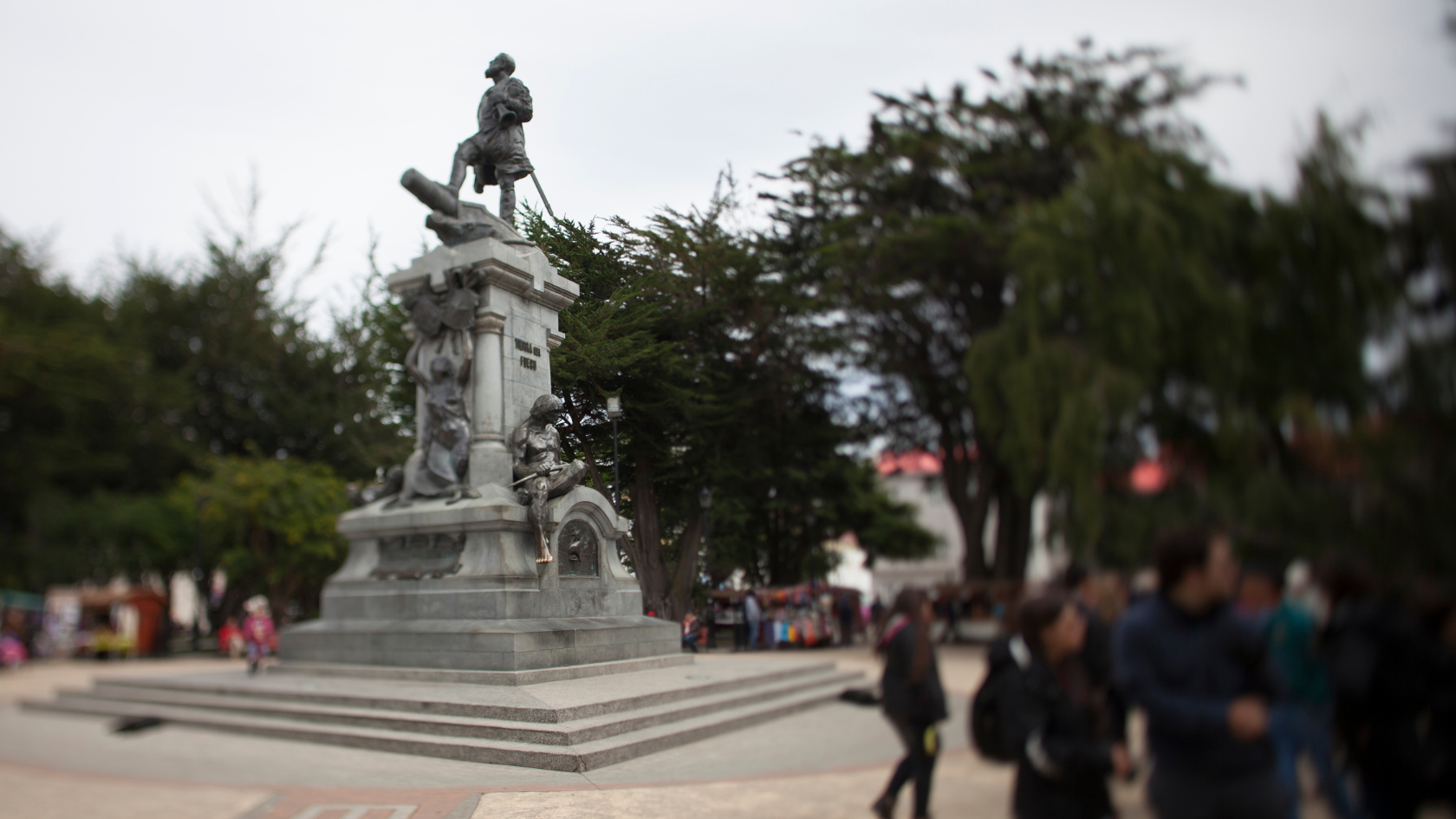
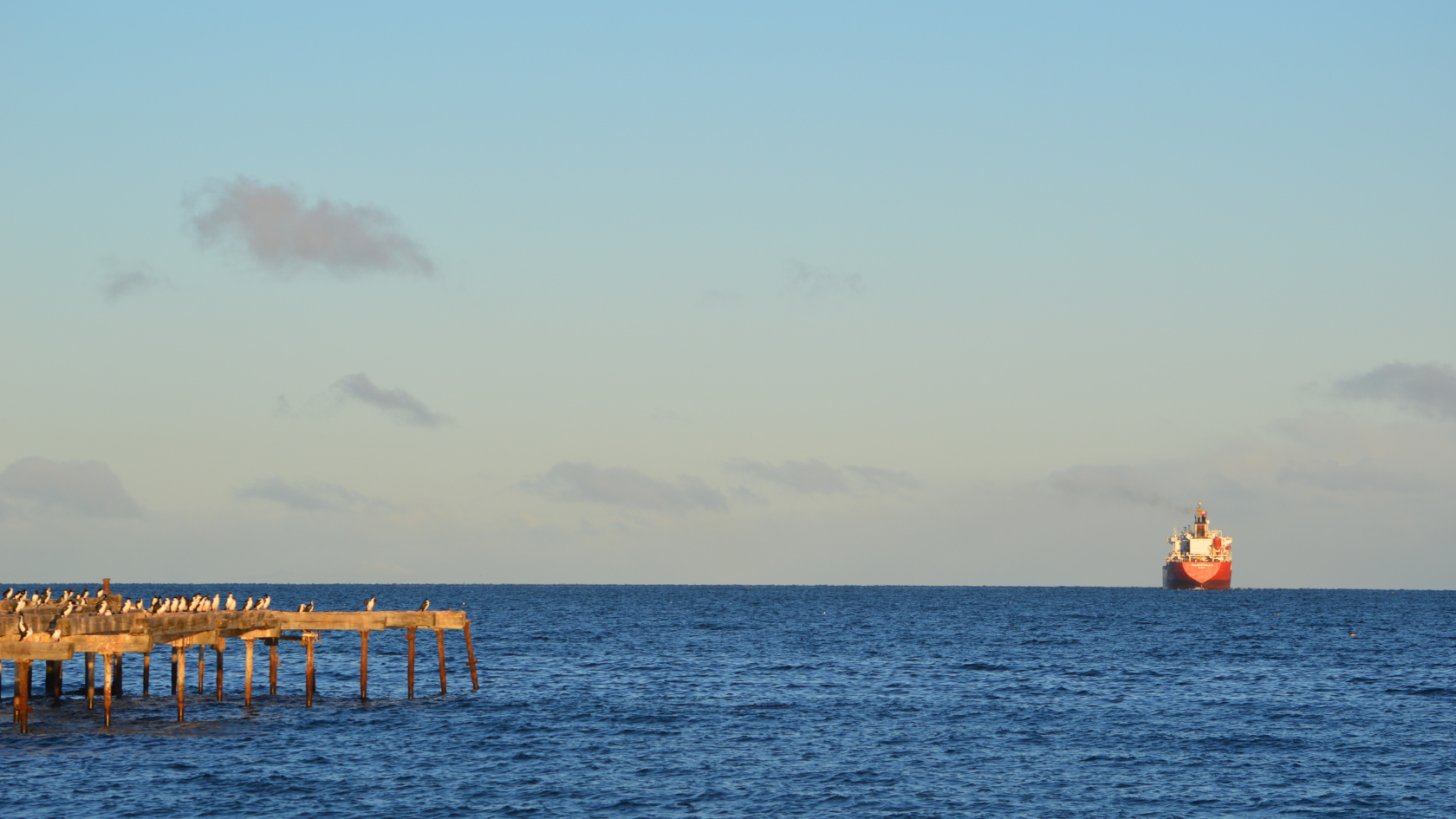
Perched on the northern shores of the Strait of Magellan, Punta Arenas is Chile’s southernmost city and a premier launch point for Antarctic expeditions. Framed by windswept Patagonian steppes to the north and icy fjords to the south, this port city entices adventure travelers with its brisk, maritime climate, storied exploration heritage and the promise of breathtaking wildlife spectacles—from penguin rookeries to breaching whales. Whether you seek shipboard luxury or rugged exploration, Punta Arenas sets the stage for the journey of a lifetime.
Introduction to Punta Arenas
Main Highlights of Punta Arenas
How to Visit Punta Arenas
Activities & Experiences
Practical Information for Travelers
Practical Information for Travelers
Interesting Facts & Unique Features
Geographical Overview
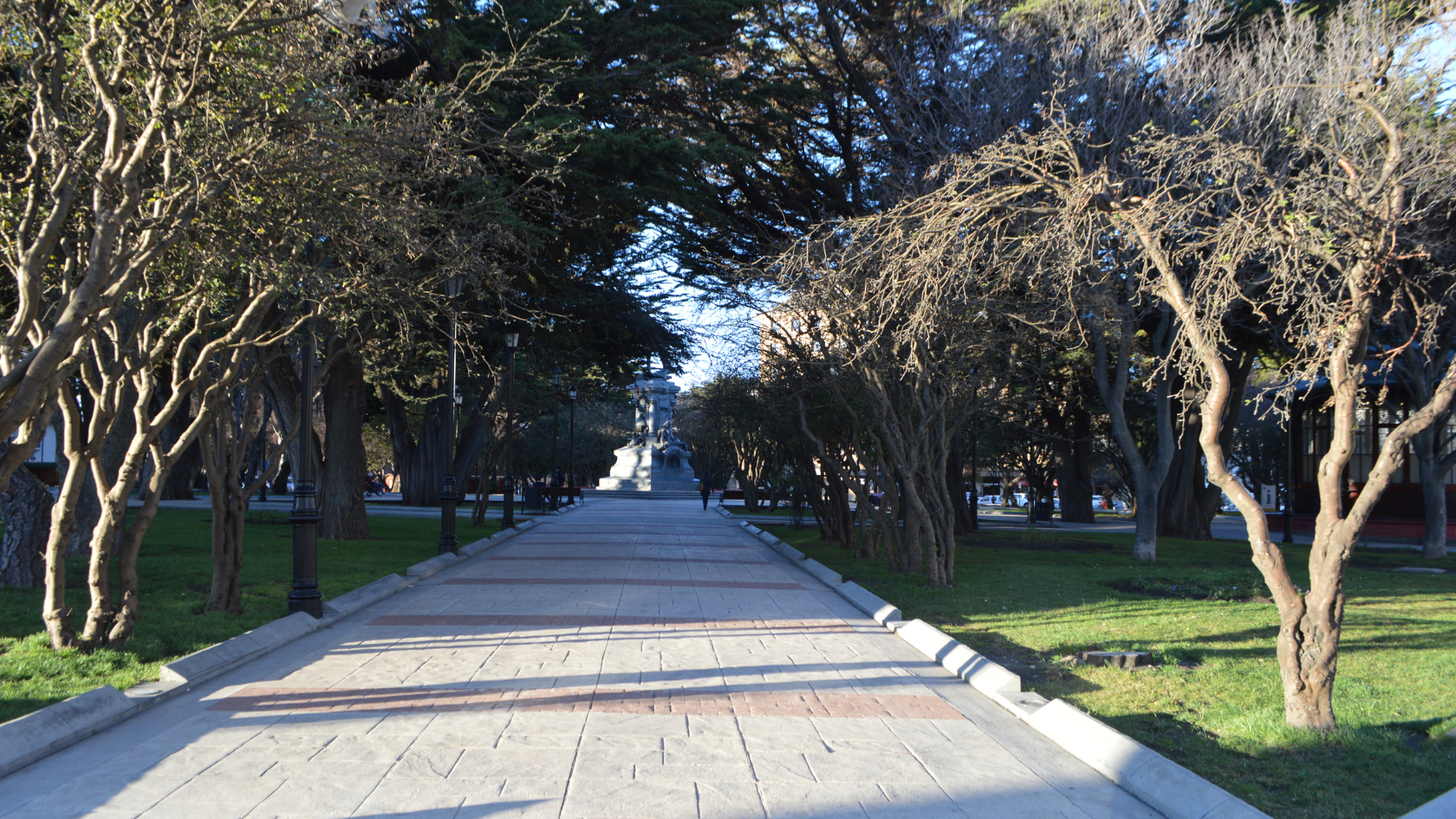
At latitude 53°10′ S, Punta Arenas sits on the Brunswick Peninsula, overlooking the widest stretch of the Strait of Magellan. The city’s red-roofed buildings and verdant plazas contrast sharply with the windswept grasslands and low-lying fjords that surround it. Across the channel, the snow-capped Andes frame the horizon, while to the north, the Patagonian steppe extends toward the Antarctic ice pack.
Climate Summary
Punta Arenas experiences a cool oceanic climate: summer highs (December–February) average 8–12 °C, while winter lows hover around 0 °C. Strong westerly winds are common year-round, and snowfall can dust the city between June and August. Summer’s extended daylight—up to 17 hours—creates long evenings for exploration before your ship departs.
Historical & Scientific Significance
Founded in 1848 as a penal colony under the Chilean Republic, Punta Arenas quickly grew into a vital supply point for Magellan Strait traffic. In the late 19th century, wealthy sheep ranchers and European immigrants shaped its elegant mansions and civic architecture. Today, research vessels studying Southern Ocean currents and glacial retreat call here, and the Maritime Museum chronicles expeditions from Drake’s first passage to modern scientific voyages.
Wildlife Encounters
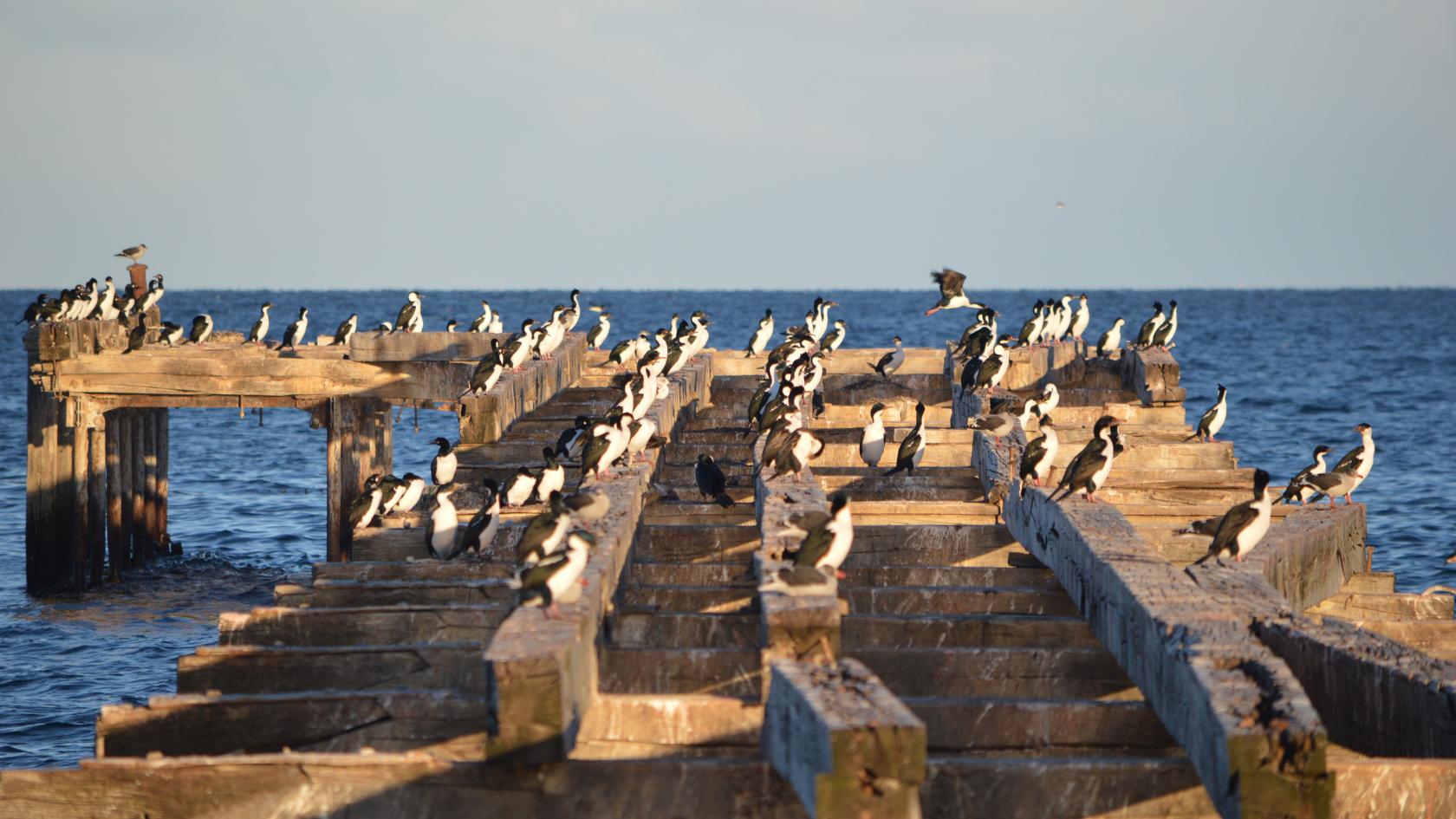
Just outside town, the Seno Otway Penguin Colony hosts over 100,000 Magellanic penguins from September to April. Guided tours allow safe viewing platforms mere metres from nesting birds. In summer, dolphins—including Commerson’s and dusky species—often bow-ride along local cruise tenders, while southern elephant seals haul out on nearby Isla Magdalena. Whale sightings—especially humpbacks and orcas—peak in February and March as these giants feed in nutrient-rich waters.
Scenic Landmarks
The Cerro Mirador lookout offers panoramic city and strait vistas, accessible via a steep 3 km hike or a short taxi ride. The salt-flats of Laguna Azul and the windswept grasslands of Pali Aike National Reserve showcase Patagonia’s raw beauty. Historic sites—like the Swarovski-funded Nao Victoria Museum replica—bring maritime exploration to life. Across the channel, the Darwin Range’s jagged peaks reflect in emerald waters.
Conservation & Protected Areas
Punta Arenas serves as the gateway to Torres del Paine National Park’s world-class trekking circuits, though most cruise operations focus on marine conservation zones. The coastal Yaghan Marine Reserve protects penguin foraging and seal pupping grounds, enforced by the Chilean Navy. IAATO-member ships departing Punta Arenas adhere to strict waste-management and wildlife-distance protocols, ensuring minimal environmental impact.
Best Viewing Periods
November to March offers the most favorable conditions: summer temperatures, long daylight hours and active wildlife. November–December sees penguin courtship and hatching; January delivers peak whale feeding; February–March brings dramatic glacier calving and potential ice berg encounters. Early bookings ensure optimal ship placement during these critical windows.
Typical Cruise Itineraries
Most Antarctic expedition cruises board in Punta Arenas between November and March. Ships transit the scenic Patagonian fjords before tackling the Drake Passage toward the Antarctic Peninsula. Fly-cruise options—where guests fly from Punta Arenas to King George Island then board—minimize time at sea while preserving on-ship experiences.
- Itinerary A: 10–12 nights via Strait of Magellan and Drake Passage, focusing on South Shetland Islands and northern peninsula.
- Itinerary B: 14–16 nights including Antarctic Sound and a quest for tabular icebergs and Emperor penguins.
- Itinerary C: 18+ nights full circumnavigation with Falklands and South Georgia extensions.
Best Time to Travel
Punta Arenas departures are strongest in mid-December to mid-January, capturing mildest weather and maximum wildlife activity. Late-season sailings in February–March trade warmer temperatures for stunning ice dynamics, though they can face heavier pack ice. Early-season cruises in November offer pristine landscapes and fewer crowds but risk chilly crossings.
Onboard Enrichment & Pre-Departure Briefings
Before embarkation, guests attend safety drills and introductions to Zodiac boarding. Onboard, daily lectures by oceanographers, glaciologists and polar historians illuminate the region’s wildlife, geology and climate science. Interactive photography workshops help travelers master low-light and wildlife techniques.
Port Shore Excursions
Cruise-arranged pre- or post-cruise tours include visits to the Seno Otway Penguin Colony, city walking tours highlighting architectural gems, and estancia ranch visits to experience Patagonian gaucho culture. Small-group coach trips to Torres del Paine National Park—while long—provide a land-based contrast to Antarctic wilderness.
Adventure Excursions
Onboard offers vary by vessel: many feature sea-kayaking in sheltered channels near Cape Horn, and guided snorkeling in near-shore kelp forests (summer only). Some ships provide guided zodiac photography cruises, allowing small groups to captivate wildlife moments from the water.
Optional Special Experiences
Selected expeditions include “Polar Plunges”—brief swims in sub-zero waters under strict safety protocols—and overnight “Glacier Camping” on stable Antarctic ice for up to 10 guests. Fly-cruise itineraries sometimes offer helicopter flights between Punta Arenas and King George Island, bypassing Drake Passage.
What to Pack
Layered clothing is essential: thermal base layers, fleece mid-layers, waterproof shell jacket and pants. Sturdy, waterproof boots with good grip, insulated gloves, warm hat and UV-protected sunglasses keep you comfortable. Bring a small daypack, waterproof cases for electronics and high-SPF sunscreen.
Health & Safety
Vessels carry medical officers and maintain IAATO-mandated safety protocols. Mandatory briefings cover Zodiac boarding, emergency procedures and wildlife-distance rules. Fly-cruise guests enjoy air transfers with pre-flight health checks, reducing potential seasickness from Drake Passage crossings.
Environmental Etiquette
As part of the Antarctic Treaty, cruises enforce leave-no-trace policies: all waste is retained onboard, single-use plastics are banned, and wildlife-viewing distances of at least five meters are strictly observed. Footwear is disinfected before every landing to prevent non-native species introduction.
What to Pack
Layered clothing is essential: thermal base layers, fleece mid-layers, waterproof shell jacket and pants. Sturdy, waterproof boots with good grip, insulated gloves, warm hat and UV-protected sunglasses keep you comfortable. Bring a small daypack, waterproof cases for electronics and high-SPF sunscreen.
Health & Safety
Vessels carry medical officers and maintain IAATO-mandated safety protocols. Mandatory briefings cover Zodiac boarding, emergency procedures and wildlife-distance rules. Fly-cruise guests enjoy air transfers with pre-flight health checks, reducing potential seasickness from Drake Passage crossings.
Environmental Etiquette
As part of the Antarctic Treaty, cruises enforce leave-no-trace policies: all waste is retained onboard, single-use plastics are banned, and wildlife-viewing distances of at least five meters are strictly observed. Footwear is disinfected before every landing to prevent non-native species introduction.
Record-Breaking Sites
Punta Arenas hosts the world’s southernmost Stansted ferry and the Museo Nao Victoria’s replica of Magellan’s 16th-century galleon. Nearby, La Yegua Loca boutique hotel sits beneath Cerro de la Cruz’s panoramic viewpoint—an Instagram favorite for sunrise over the Strait.
Cultural & Literary Connections
The city’s Palacio Sara Braun recalls the golden age of Patagonian sheep barons. Literary references—from Bruce Chatwin’s Patagonia musings to Pablo Neruda’s “Residencia en la Tierra”—evoke its remote mystique. Traveller journals from Scott and Amundsen mention resupplying in Punta Arenas before polar departures.
Conservation & Research Partnerships
Expedition operators collaborate with Chile’s Antarctic Institute (INACH), WWF and the Scientific Committee on Antarctic Research (SCAR) on seabird monitoring, krill biomass studies and microplastics research. Citizen-science projects on board contribute real-time data to global climate-change models.
Punta Arenas´s itineraries
Emblematic Antarctica
Discover the highlights of the Antarctic Peninsula on this 10-night luxury expedition aboard L’Boreal.
- 8 days
- Le Boréal