King George Island

King George Island
King George Island, the largest of the South Shetland Islands, is a vital gateway for Antarctic expeditions and a hub of scientific activity set against a backdrop of sweeping glaciers and volcanic peaks. Located just north of the Antarctic Peninsula, it offers dramatic ice scenery, abundant wildlife and a unique opportunity to step ashore in Antarctica mere hours after crossing the Drake Passage. For adventure travellers seeking both comfort and raw polar immersion, King George Island delivers an unforgettable blend of expedition heritage and natural wonder.
Introduction to King George Island
Main Highlights of King George Island
How to Visit King George Island
Activities & Experiences
Practical Information for Travellers
Interesting Facts & Unique Features
Geographical Overview
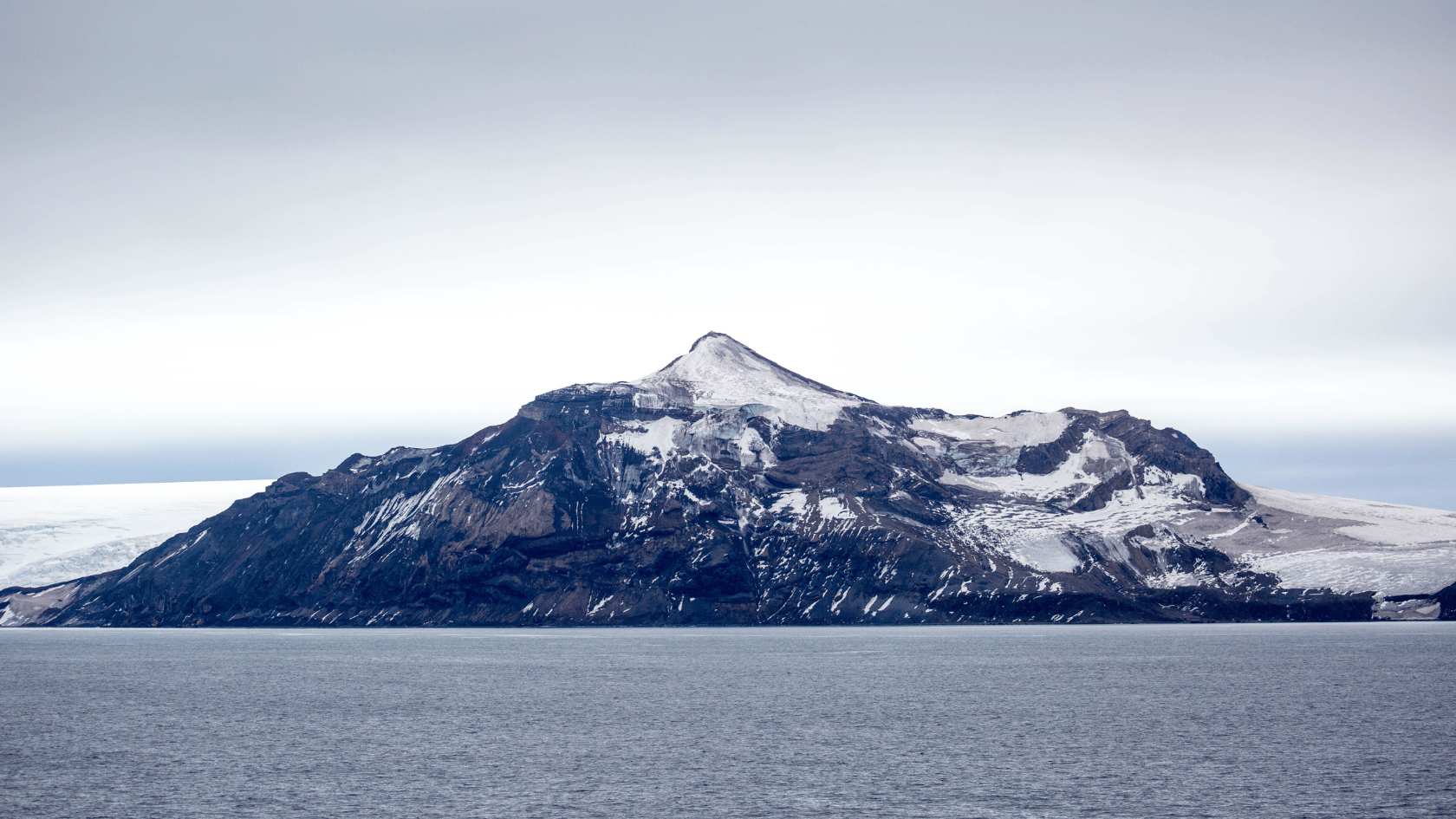
King George Island lies between 61°50′ and 62°20′ S and 57°30′ and 59° W, covering roughly 1,300 km² with over 90% glacier cover. Its undulating terrain features volcanic ridges, ice-capped peaks up to 600 m high and broad bays—Maxwell, Admiralty and King George—that carve deep into the coast. Year-round sub-Antarctic weather brings summer highs of –2 °C to +2 °C, fierce katabatic winds and up to 20 hours of daylight in mid-summer.
Historical & Scientific Significance
Discovered in 1819 by Captain William Smith and first charted by James Weddell, King George Island quickly became a focal point for sealers in the 1820s. Today, it hosts research stations from ten nations—Chile’s Frei, Russia’s Bellingshausen, Poland’s Arctowski, Korea’s Sejong and others—studying glaciology, marine biology, meteorology and climate change. Visitors often tour historic whaling relics and step inside Trinity Church, one of the southernmost permanent structures on Earth.
Wildlife Encounters
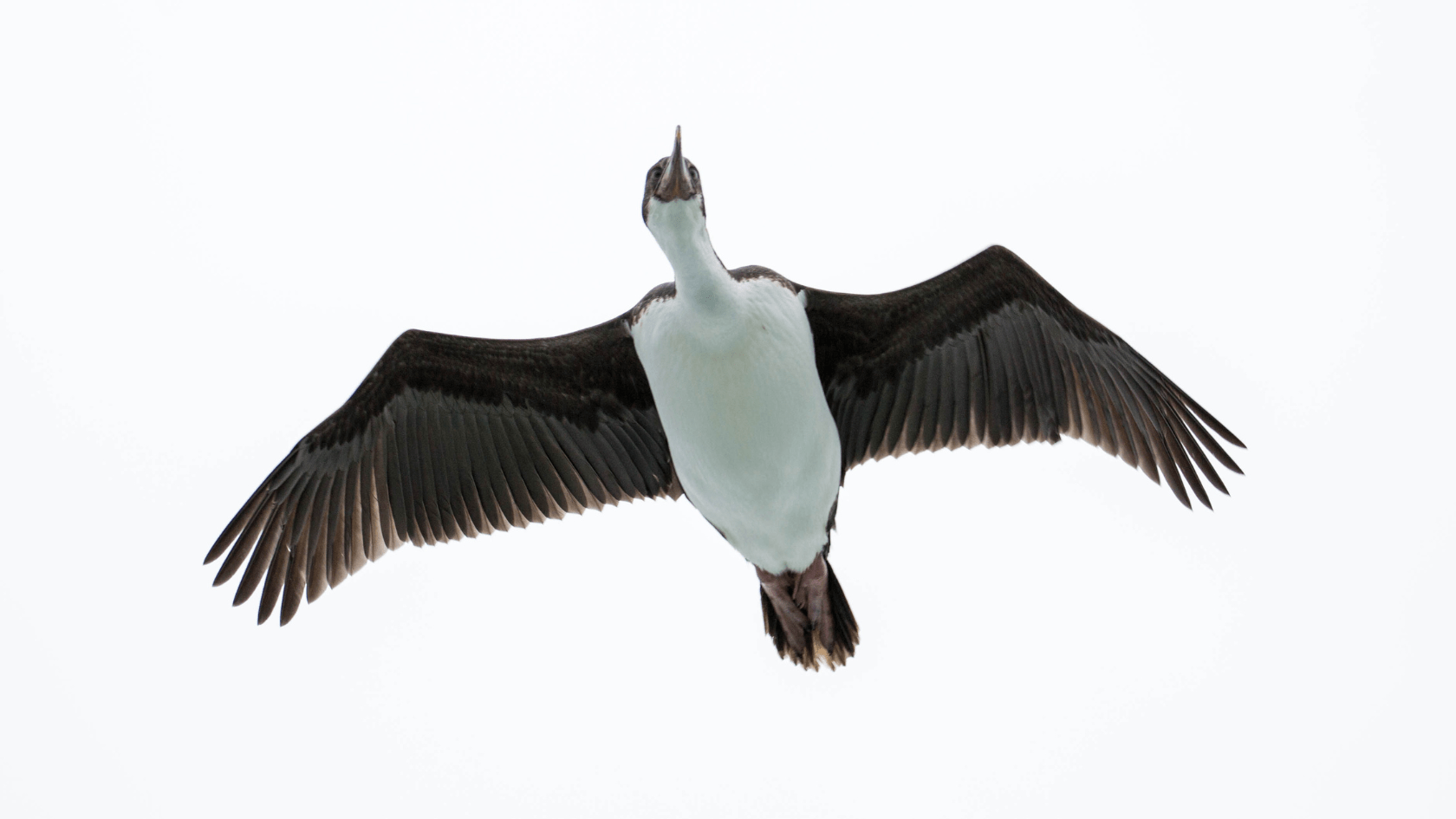
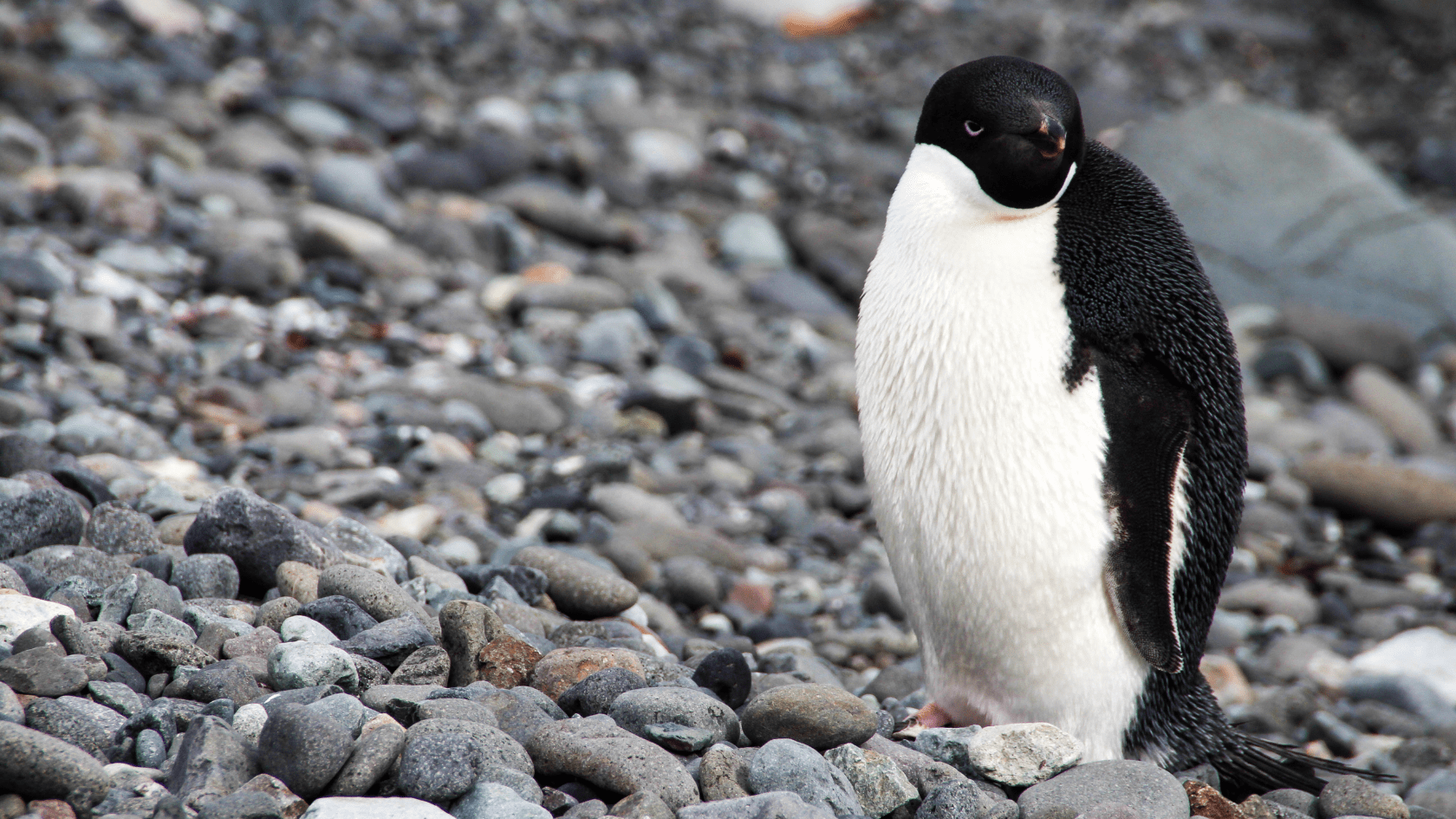
Although the island itself is largely glaciated, nearby ice-free shores and islets host breeding colonies of chinstrap, Adélie and gentoo penguins from November to March. Elephant and fur seals haul out on rocky beaches, and skuas patrol the skies for unattended eggs. Zodiacs may encounter pods of orca and humpback whales in Maxwell Bay, while Antarctic terns and south polar skuas frequent research-station perimeters. :contentReference[oaicite:3]{index=3}
Scenic Landmarks
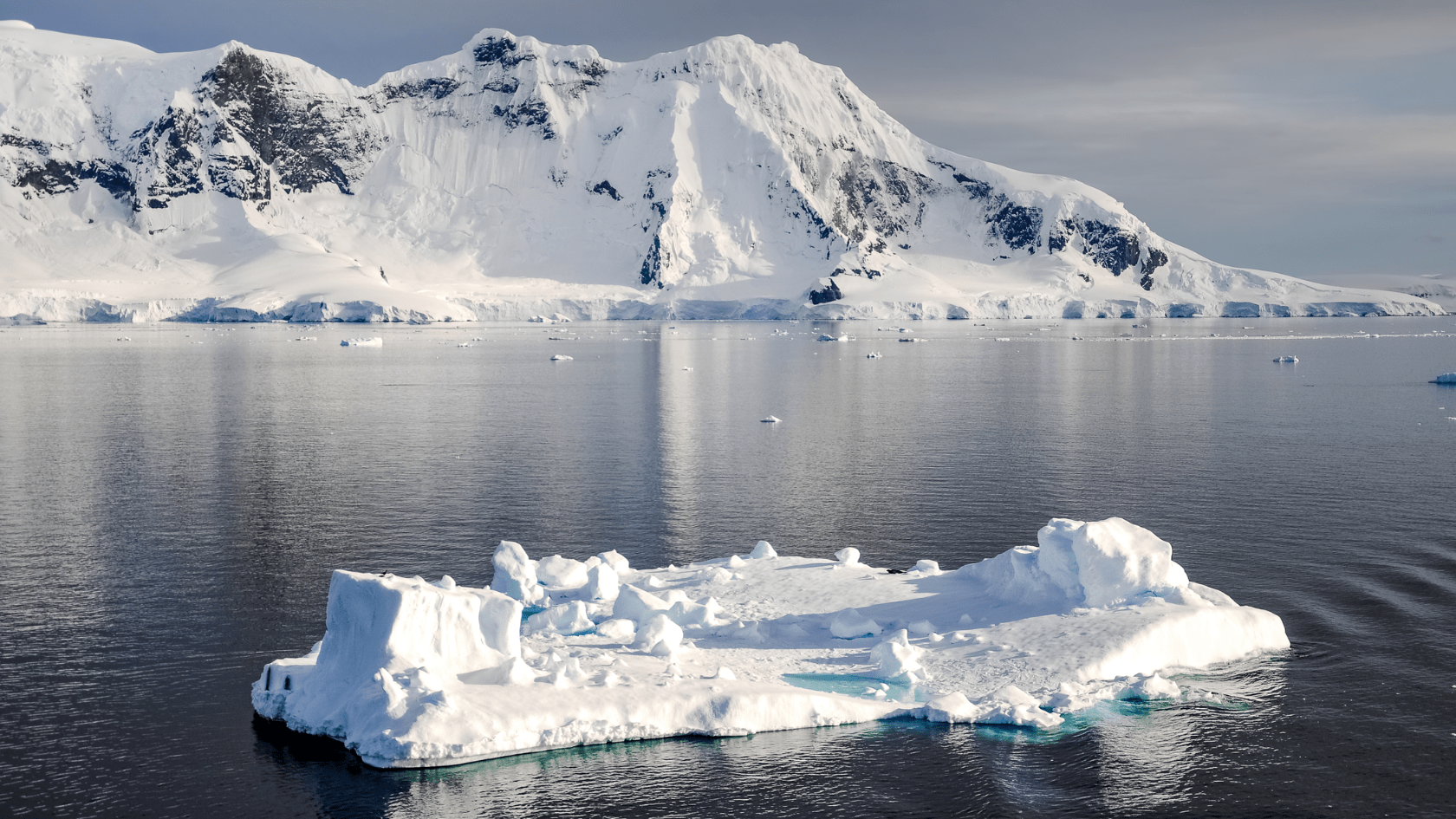
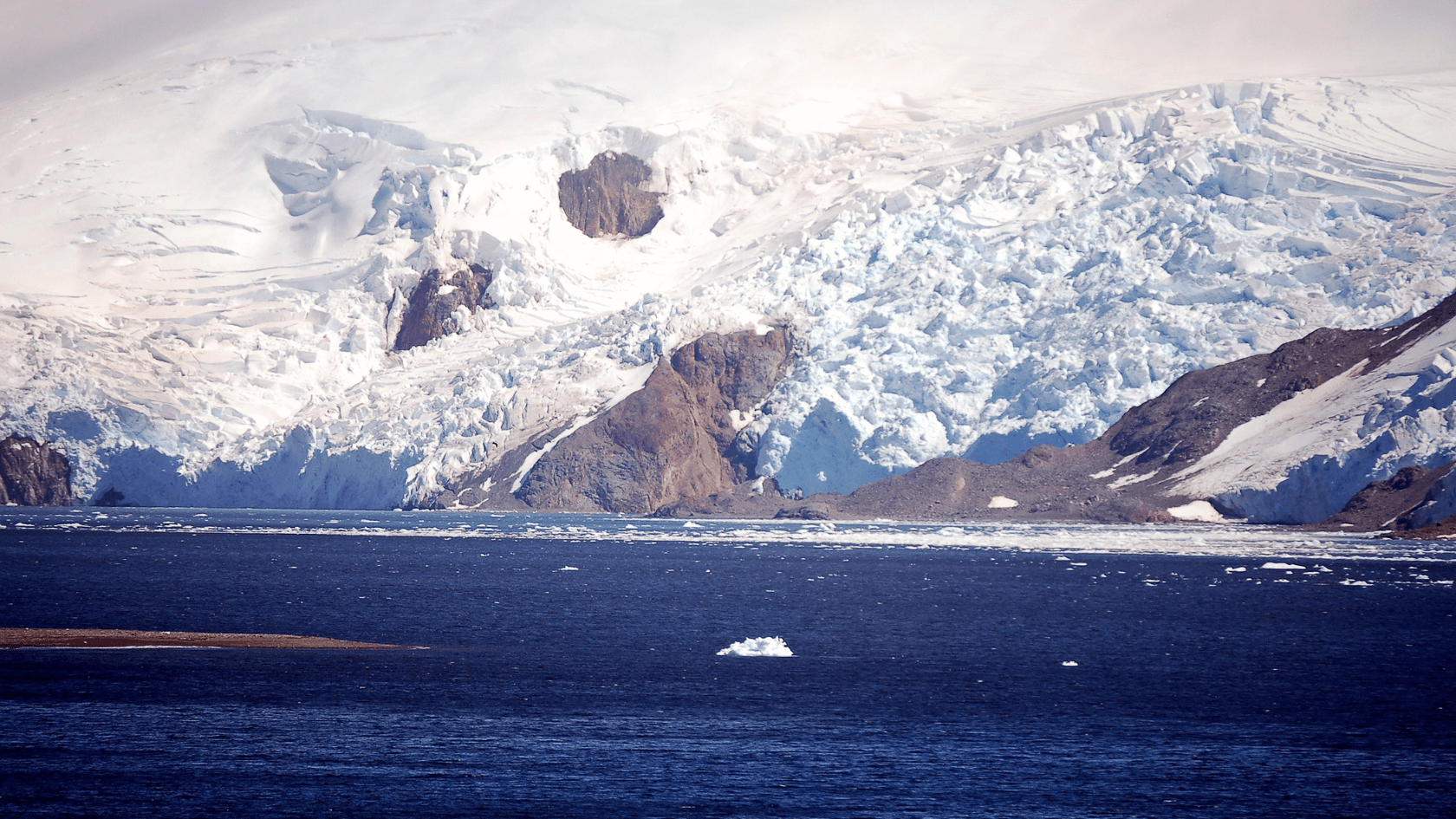
Maxwell Bay’s calm waters reflect the snow-draped peaks of Fildes Peninsula, where grooves of Blue Glacier terminate in tidewater ice cliffs. Admiralty Bay, a designated Antarctic Specially Managed Area, offers sheltered Zodiac cruises beneath towering seracs and across floating bergy bits. Historic whaling station remains at Whalers Bay—complete with rusting boilers and beached ships—contrast sharply with the gleaming domes of modern research bases.
Conservation & Protected Areas
Admiralty Bay’s ASMA status and nearby Antarctic Specially Protected Areas safeguard fragile moss beds, bird colonies and seal pupping grounds. All shore visits adhere to IAATO guidelines: group sizes are capped at 100, boots must be disinfected before each landing, and no waste may be left behind. Cruise operators follow strict biosecurity and wildlife-distance rules to preserve this pristine environment.
Typical Cruise Itineraries
King George Island can be reached via traditional sea voyages or time-saving fly-cruise options. Sea departures embark from Ushuaia or Punta Arenas and cross the Drake Passage in 2–3 days. Fly-cruise itineraries charter a plane from Punta Arenas directly to King George Island, cutting transit time dramatically.
- Itinerary A (Fly-the-Drake Express – 8 days): Punta Arenas → charter flight to King George Island → 4 days exploring the Antarctic Peninsula via Zodiac landings → return flight to Punta Arenas.
- Itinerary B (Sail-and-Fly Hybrid – 9 days): Ushuaia → 2-day Drake Passage crossing → 3 days Peninsula exploration → disembark on King George Island → charter flight back to Punta Arenas.
- Itinerary C (Sea Only – 10–12 nights): Ushuaia → Drake Passage → King George embarkation → 4–5 days Peninsula circumnavigation → return via Drake Passage.
- Itinerary D (Combination – 10 days): Punta Arenas → 1-way flight to King George Island → 5 days Peninsula landings → 1-way sea return via Drake Passage → Ushuaia.
Best Time to Travel
November through March provides mildest weather (–2 °C to +2 °C), long daylight and peak wildlife activity. November–December sees penguin pair formation and egg-laying; January–February brings chick rearing and peak whale presence; March offers dramatic calving and fewer crowds but slightly cooler temperatures.
Expedition Landings
After transfer from the airstrip or arrival by ship, expert-led Zodiac excursions operate daily—weather permitting—at sites such as Fildes Peninsula and Half Moon Island. Naturalists guide visitors along boardwalks through penguin colonies and to shoreline overlooks for unsurpassed wildlife viewing and photographic opportunities.
Onboard Enrichment
Between landings, attend in-depth lectures by glaciologists, marine biologists and meteorologists covering the island’s ecology, geology and climate research. Photography workshops focus on capturing ice, wildlife and low-light scenes, while citizen-science programmes—plankton sampling, bird-count surveys—invite you to contribute to ongoing Antarctic studies.
What to Pack
Pack layered clothing: thermal base layers, fleece mid-layers, waterproof shell and insulated parka. Essential accessories include a warm hat, waterproof gloves, UV-protective sunglasses and sturdy boots with ankle support. A waterproof daypack and high-SPF sunscreen complete your expedition kit.
Health & Safety
Ships carry qualified medical officers and follow IAATO-mandated safety protocols: mandatory briefings on Zodiac boarding, emergency procedures and wildlife-distance rules (minimum five metres). Fly-cruise passengers undergo standard pre-flight health screenings for safe travel to and from the island.
Environmental Etiquette
As part of the Antarctic Treaty System, all waste is retained onboard, single-use plastics are prohibited, and footwear must be disinfected before every landing. Visitors must never disturb wildlife or vegetation and must adhere strictly to marked pathways and guide instructions.
Record-Breaking Sites
King George Island hosts one of the southernmost functioning airstrips in Antarctica—Mineralnye Vody Airfield—allowing swift transfer from South America. The island’s sub-Antarctic climate zone is unique, with 20 hours of daylight in summer and strong katabatic winds.
Cultural & Literary Connections
Trinity Church at Bellingshausen Station, established in 2004, is one of only two Eastern Orthodox churches on the continent. The island’s history features in expedition narratives by Shackleton and in modern adventure literature, highlighting its role as a dynamic polar outpost. Conservation & Research Partnerships
International research stations collaborate under the Scientific Committee on Antarctic Research (SCAR) and the Council of Managers of National Antarctic Programs (COMNAP). Guests often join station-led biodiversity surveys and contribute data that supports global climate models and wildlife conservation strategies.
King George Island´s itineraries
Emblematic Antarctica
Discover the highlights of the Antarctic Peninsula on this 10-night luxury expedition aboard L’Boreal.
- 8 days
- Le Boréal