Ushuaia

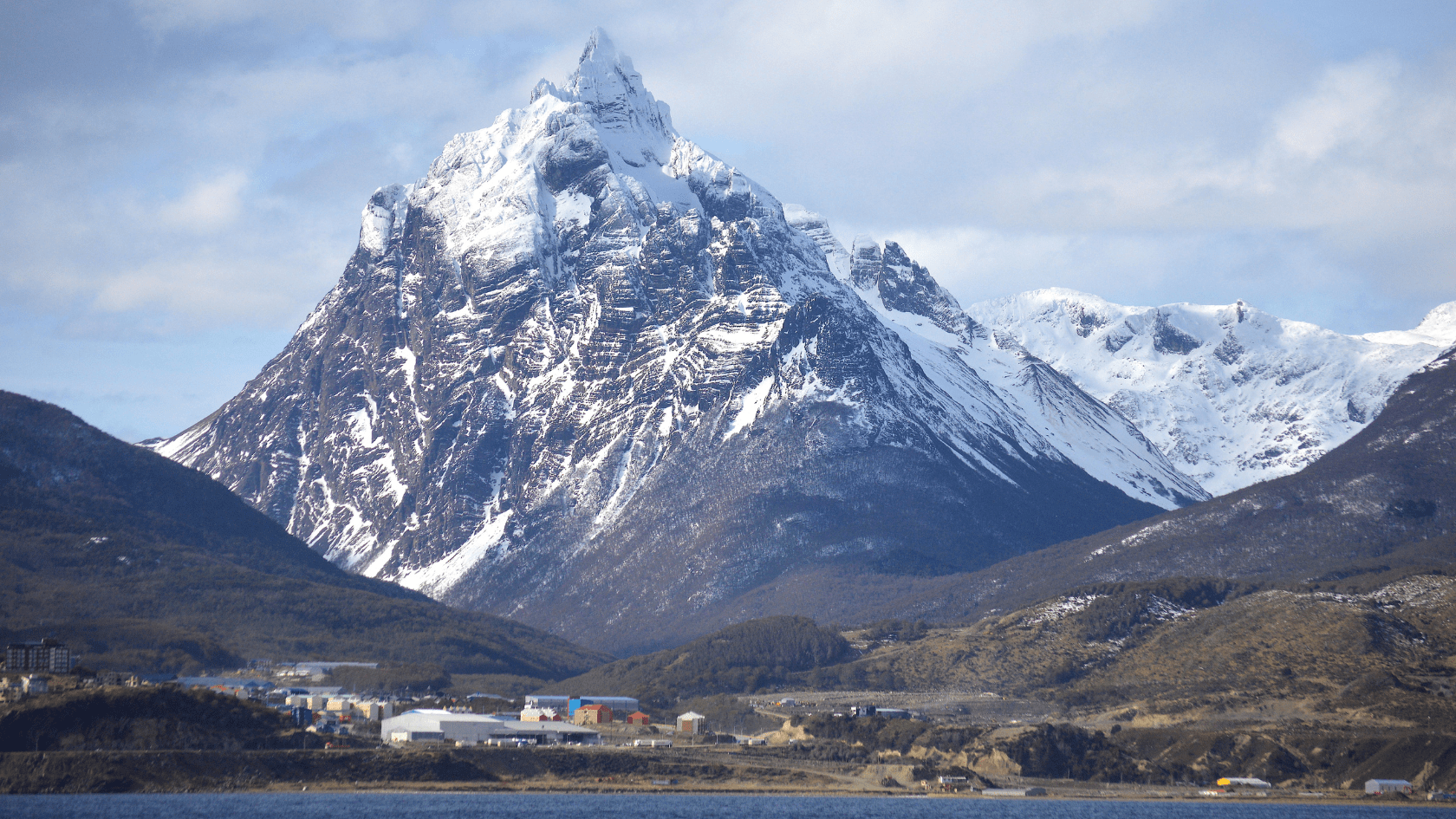
Ushuaia
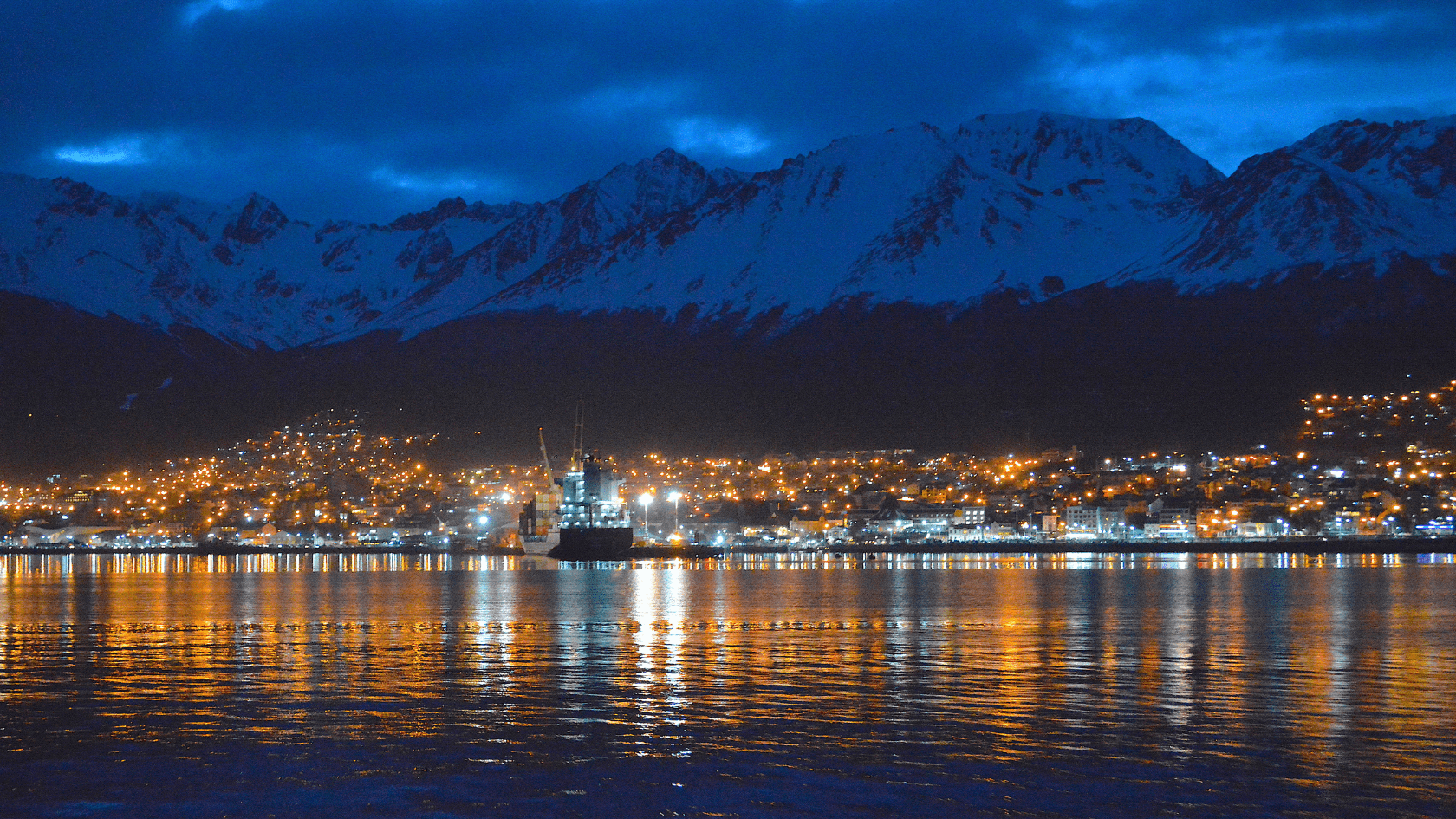
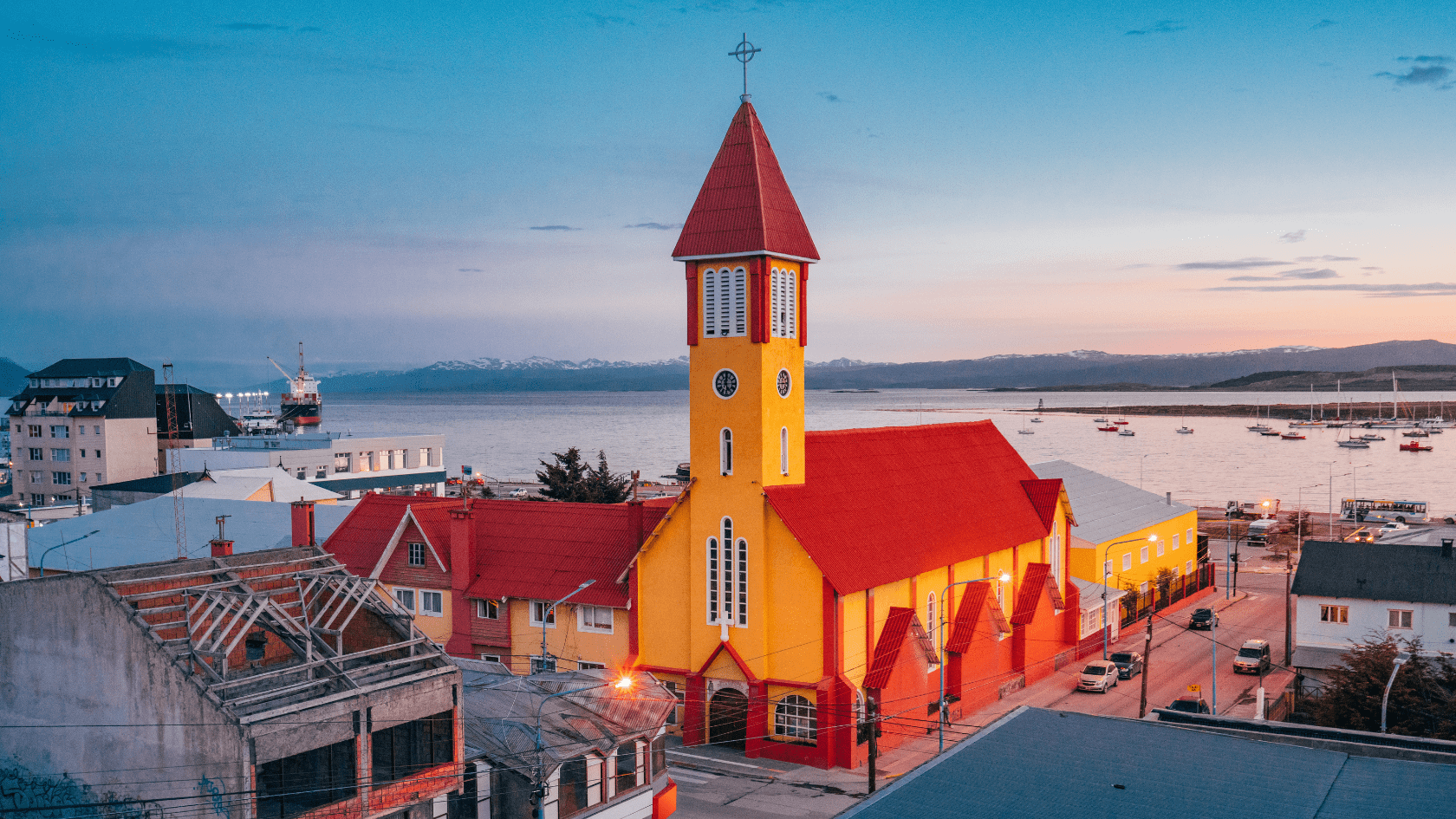
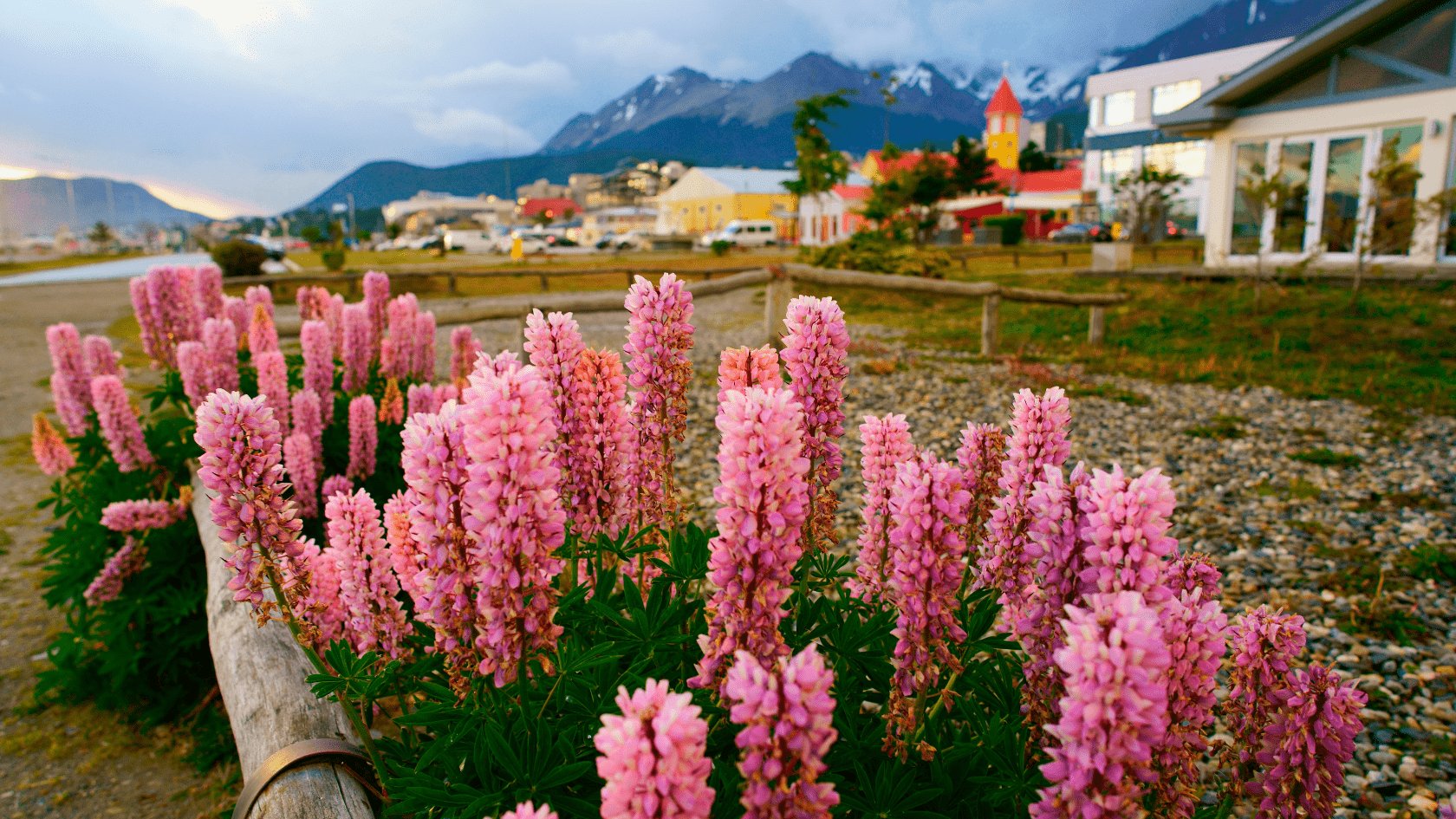
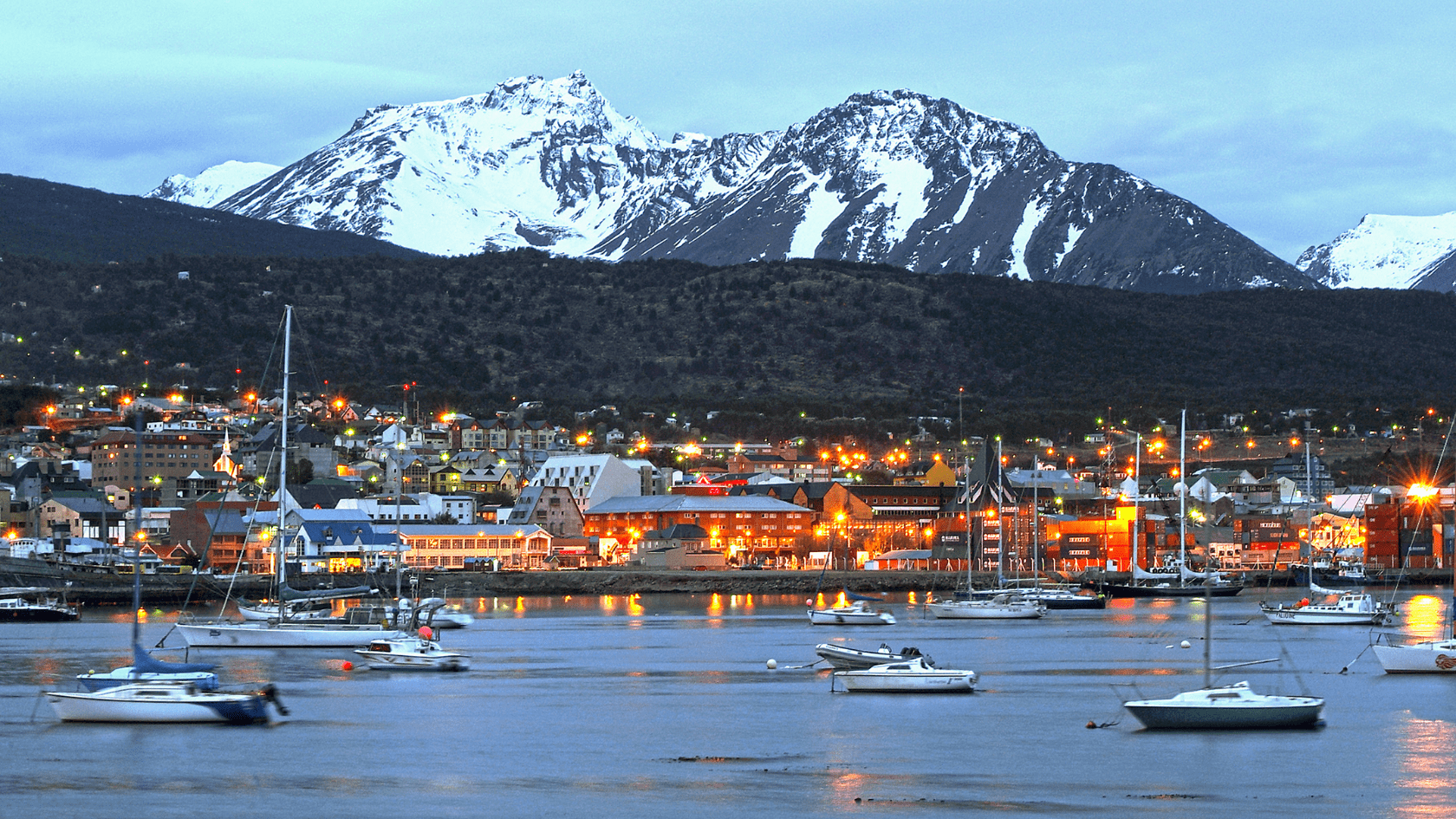
Perched at the southernmost tip of Argentina, Ushuaia—often called “the End of the World”—serves as the gateway to Antarctica’s frozen realms. Framed by the snow-dusted Martial Mountains and the winding waters of the Beagle Channel, this windswept city entices adventure travelers with its rugged Patagonian landscapes, crisp maritime climate and the promise of epic polar exploration. For those craving wildlife spectacles, dramatic fjords and the thrill of charting unknown seas, Ushuaia delivers an unforgettable prelude to the White Continent.
Introduction to Ushuaia
Main Highlights of Ushuaia
How to Visit Ushuaia
Activities & Experiences
Practical Information for Travelers
Interesting Facts & Unique Features
Geographical Overview
Ushuaia sits at latitude 54°48′ S on the island of Tierra del Fuego. A narrow coastal plain stretches from the Beagle Channel’s icy waters up into the Martial Mountains, whose peaks top out at around 1,200 m. Glacial lakes dot the surrounding valleys, while lenga and coihue forests cling to steep slopes. The city’s harbor bustles with ice-strengthened expedition vessels, fishing boats and local ferries that traverse the channel toward Chile’s remote islands.
Historical & Scientific Significance
Founded in 1884 as a penal settlement, Ushuaia’s history evolved rapidly when gold discovered nearby attracted prospectors, and missionaries established churches among the indigenous Yámana people. In the early 20th century, polar explorers such as Jean-Baptiste Charcot and Sir Ernest Shackleton used Ushuaia as their southern embarkation point. Today, the Maritime Museum and the nearby Yamana Centre showcase this legacy, while scientific outposts on neighboring islands monitor glacial retreat, ocean temperatures and wildlife migrations.
Wildlife Encounters
The Beagle Channel teems with life. On Isla Martillo, Magellanic and gentoo penguins waddle across rocky beaches; during the austral summer, colonies swell to tens of thousands. South American sea lions and Fuegian red foxes hunt along the shoreline, and pods of Commerson’s and dusky dolphins ride bow waves. Overhead, Andean condors and black-browed albatrosses wheel in thermals. Peak wildlife activity runs from November through March, when clear skies and abundant daylight make every sighting shine.
Scenic Landmarks
Martial Glacier looms above Ushuaia, accessible via a scenic chairlift that delivers panoramic views of the city, channel and distant Andes. Tierra del Fuego National Park—just 12 km west—unfolds a tapestry of lenga forests, peat bogs and crystalline lakes. The “Train at the End of the World,” a restored narrow-gauge railway, winds through Patagonian wilderness along the old convict road. Lighthouses such as Les Éclaireurs and the ruins of Estancia Harberton add human drama to the rugged coastline.
Conservation & Protected Areas
Tierra del Fuego National Park covers over 63,000 ha of sub-Antarctic forest and peatland, protecting native lenga and coihue woodlands along with terrestrial wildlife such as the Magellanic woodpecker. Offshore, the Yaghan Marine Reserve safeguards critical penguin foraging grounds and marine-mammal wintering areas. Local operators follow stringent guidelines—no single-use plastics, strict approach distances to wildlife and mandatory boot-cleaning protocols—to preserve these fragile ecosystems.
Typical Cruise Itineraries
Ushuaia is the principal embarkation port for Antarctic cruises. Between November and March, ice-class expedition ships board passengers here before a 48–72-hour crossing of the legendary Drake Passage. Once south of the Polar Front, routes diverge: some follow the Antarctic Peninsula’s west coast, others venture into the Weddell Sea. Return voyages often include a scenic cruise of the Beagle Channel or a stop in Punta Arenas, Chile.
- Itinerary A: 10–12 nights via Drake Passage to the South Shetland Islands and northern Antarctic Peninsula.
- Itinerary B: 14–16 nights including Antarctic Sound and a quest for tabular icebergs and Emperor penguins.
- Itinerary C: 20+ nights full circumnavigation, combining the peninsula with South Georgia, the Falklands and sub-Antarctic archipelagos.
Best Time to Travel
Early season (late November–December) sees melting sea ice and hatching penguin chicks. Mid-season (January) brings the warmest temperatures (0 °C to +5 °C) and nearly 20 hours of daylight—perfect for extended landings. Late season (February–March) features dramatic glacier calving and peak whale-feeding activity, though advancing ice may limit some shore sites.
Onboard Enrichment & Pre-Departure Briefings
Before casting off, all guests attend a mandatory safety drill and ship tour, followed by an orientation briefing covering Zodiac procedures, expedition gear use and wildlife-viewing etiquette. Expert lecture series begin in port, with marine biologists and polar historians introducing the region’s ecology and exploration heritage.
Optional Ushuaia Shore Tours
Many cruise lines offer optional, pre- or post-cruise excursions around Tierra del Fuego National Park, such as coach tours through lenga forests, guided walks to the Laguna Esmeralda viewpoint and boat cruises along the Beagle Channel to spot sea lions and seabirds. These land-based activities are arranged by the cruise operator as add-ons in Ushuaia itself.
What to Pack
Key items include a quality down parka, waterproof shell pants, merino wool base layers, insulated gloves and a warm hat. Sturdy, rubber-soled boots are essential for Zodiac boarding and light hikes. Don’t forget UV-filtered sunglasses, high-SPF sunscreen, lip balm and a small dry bag for camera gear ashore.
Health & Safety
Ships are staffed by medical officers and equipped with emergency-evacuation gear. IAATO’s protocols mandate pre-departure safety briefings, strict Zodiac boarding procedures and group limits ashore. Satellite communications and emergency beacons ensure rescue services can reach you anywhere in the Southern Ocean.
Environmental Etiquette
Visitors must keep at least five meters from wildlife, carry out all waste (including organic matter) and avoid disturbing fragile moss and lichen. Single-use plastics are banned; ships operate advanced waste-management and wastewater-treatment systems. Landing sites rest for at least 24 hours before reuse.
Record-Breaking Sites
Ushuaia boasts the world’s southernmost post office and Guinness-recorded southernmost brewery. Nearby, the Martial Glacier features ice caves up to 30 m deep, accessible via guided descents when conditions allow.
Cultural & Literary Connections
The city’s storied past inspired chapters in Shackleton’s “Endurance” diary and countless polar expeditions. Contemporary artists and writers undertake Antarctic residencies here, transforming experiences into films, paintings and prose.
Conservation & Research Partnerships
Expedition companies collaborate with the Scientific Committee on Antarctic Research (SCAR), WWF and regional universities to fund climate-monitoring stations, penguin-population surveys and marine-debris clean-ups. Every voyage contributes to preserving this remote wilderness.
Ushuaia´s itineraries
Emblematic Antarctica
Discover the highlights of the Antarctic Peninsula on this 10-night luxury expedition aboard L’Boreal.
- 8 days
- Le Boréal