Puerto Williams
Puerto Williams
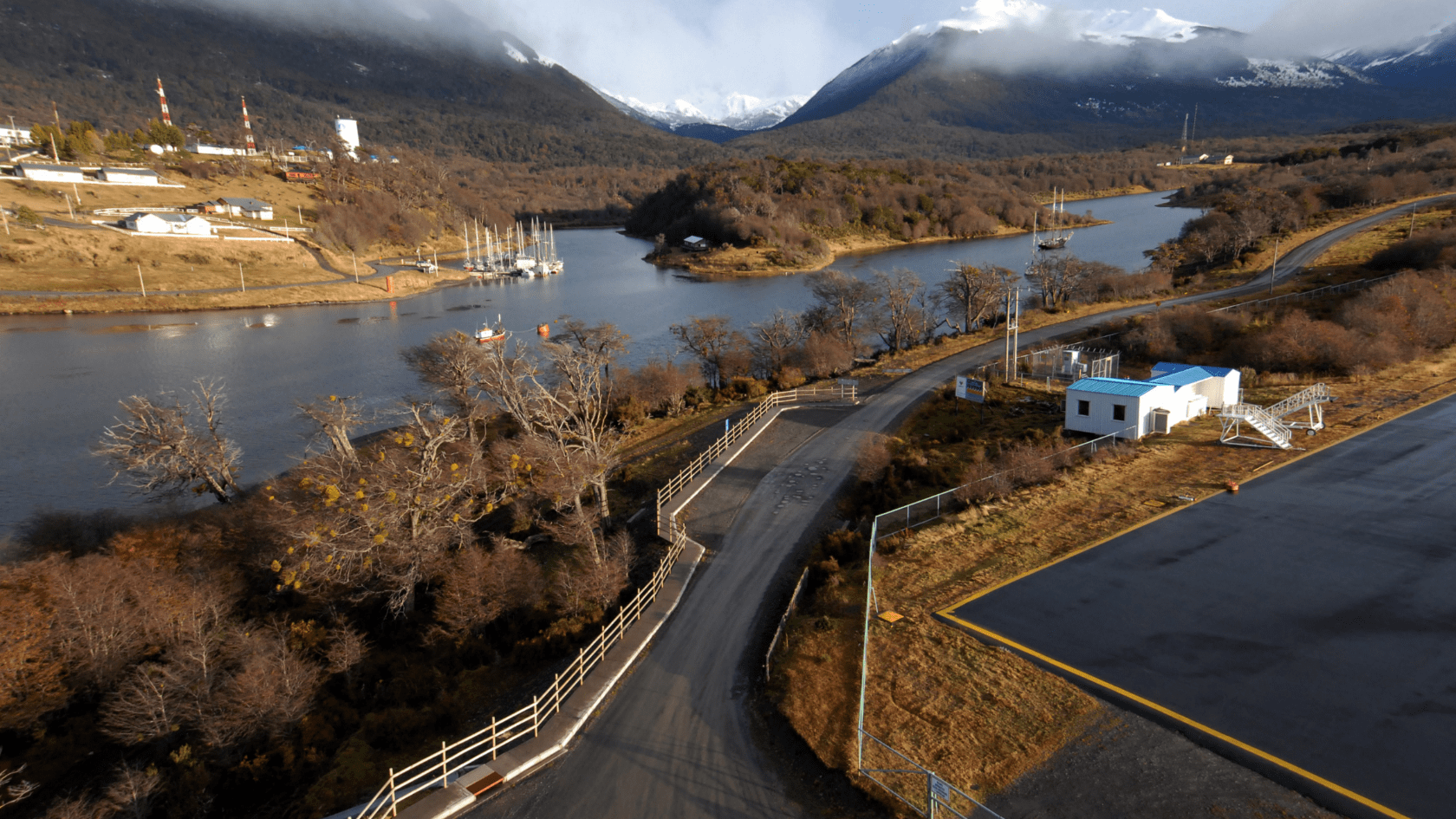
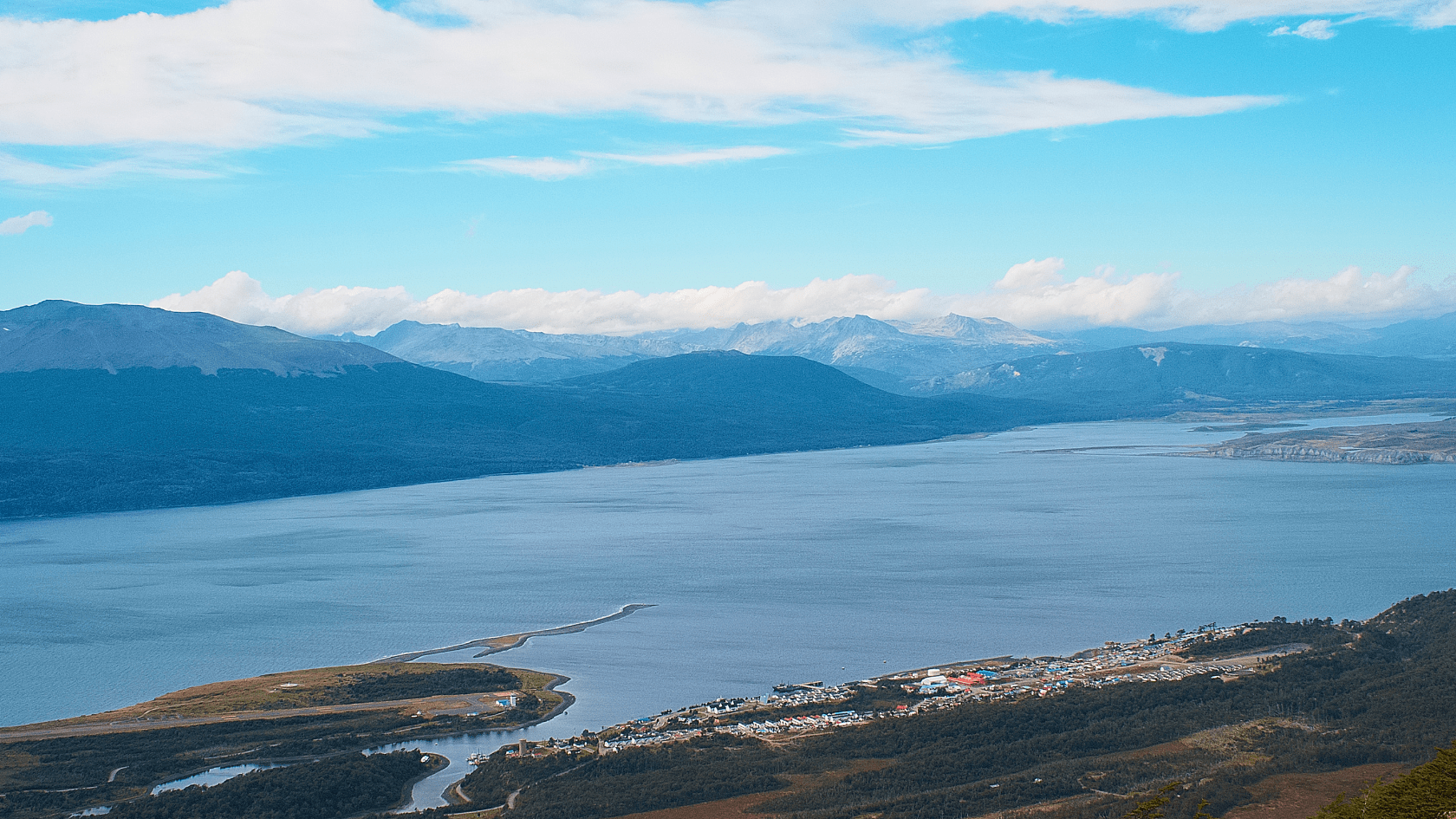
Perched on the southern shore of Navarino Island at latitude 54°56′ S, Puerto Williams is hailed as the world’s southernmost city and serves as an increasingly popular gateway to Antarctica’s icy frontiers. Surrounded by sub-Antarctic forests, glacial lakes and the churning waters of the Beagle Channel, this windswept port offers luxury polar travelers a unique blend of rugged wilderness and authentic Patagonian culture. From spectacular wildlife spectacles—including bustling penguin colonies on nearby islets—to the promise of epic maritime exploration, Puerto Williams delivers an unforgettable prelude to the White Continent.
Introduction to Puerto Williams
Main Highlights of Puerto Williams
How to Visit Puerto Williams
Activities & Experiences
Practical Information for Travelers
Interesting Facts & Unique Features
Geographical Overview
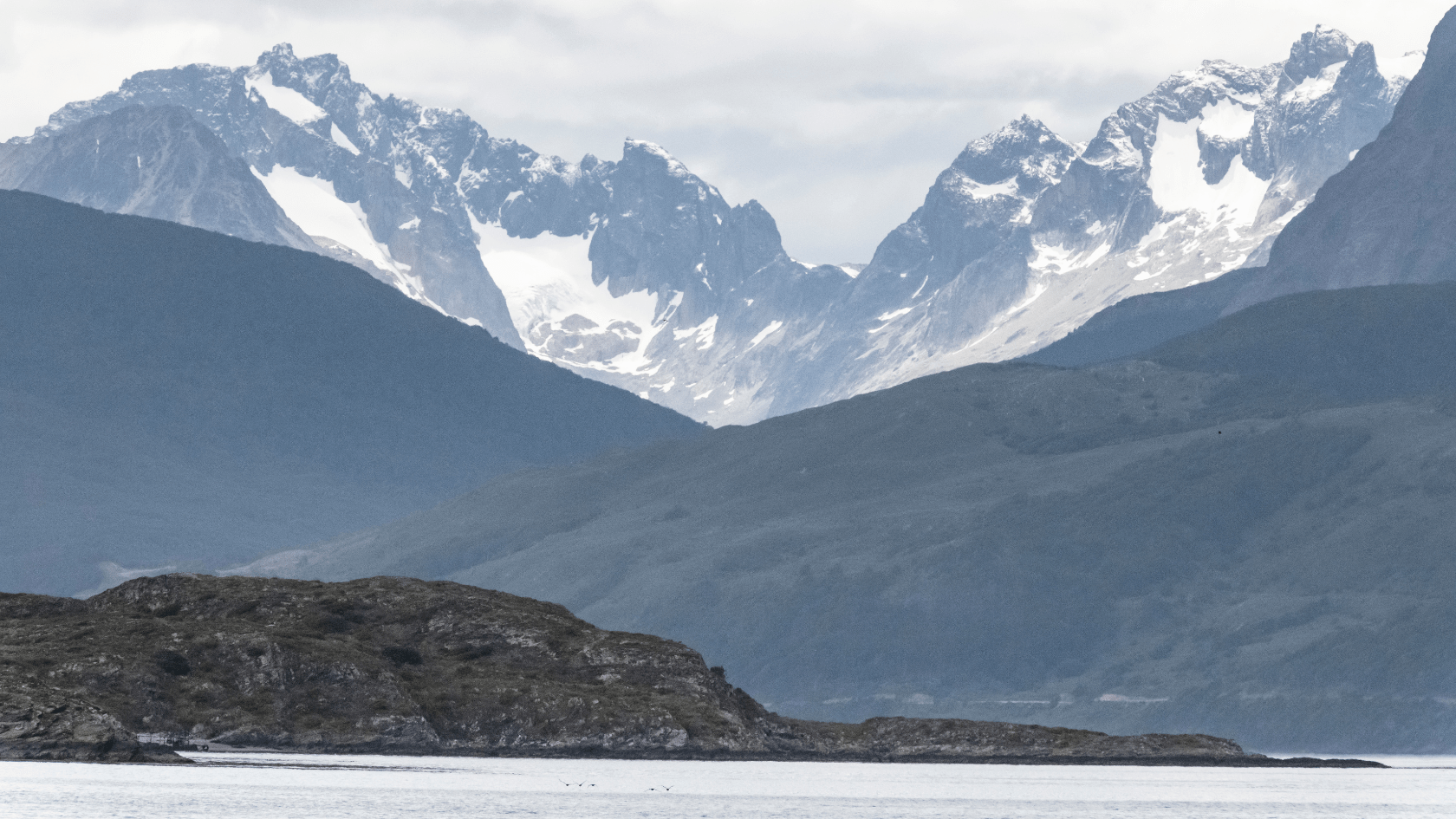
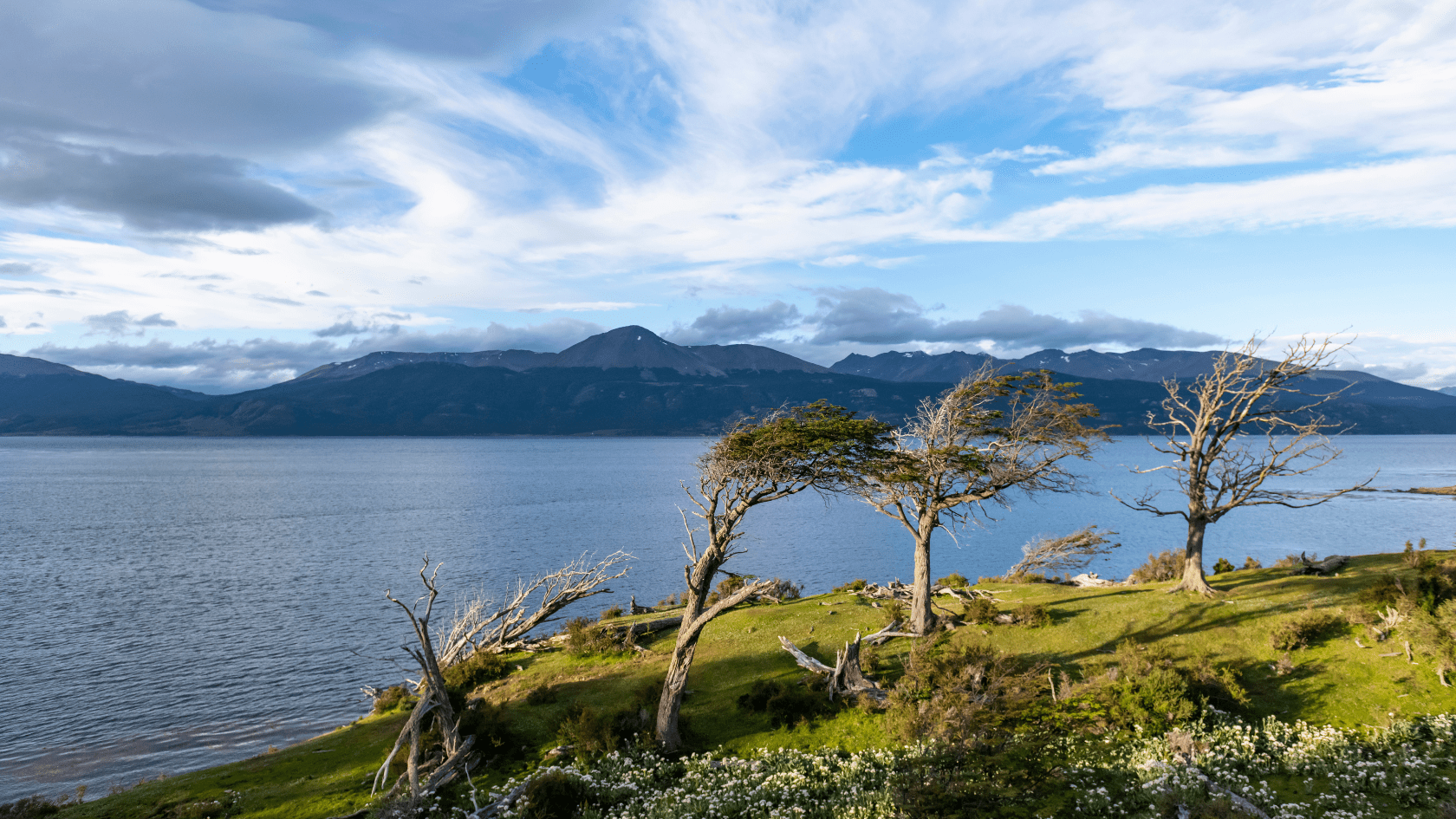
Located on the southern coast of Navarino Island in Chile’s Tierra del Fuego archipelago, Puerto Williams occupies a sheltered bay on the Beagle Channel. The town is framed by the “Dientes de Navarino” mountain range to the north—jagged peaks that rise to over 1,200 meters—and by temperate rainforests and peat bogs to the south. Its remote position, at the foot of a UNESCO Biosphere Reserve, affords clear views across icy channels toward Cape Horn on calm days.
Historical & Scientific Significance
Founded in 1953 to serve Chilean naval and meteorological stations, Puerto Williams evolved from a small naval outpost into a vibrant community of around 3,000 residents. It honors the heritage of the indigenous Yámana people at the on-site Yamana Centre, while the city’s Naval Museum traces early 20th-century pioneer voyages that mapped the Southern Ocean. Nearby scientific shelters support glaciology, oceanography and seabird monitoring—fields to which visiting expedition guests may contribute via citizen-science programs.
Wildlife Encounters
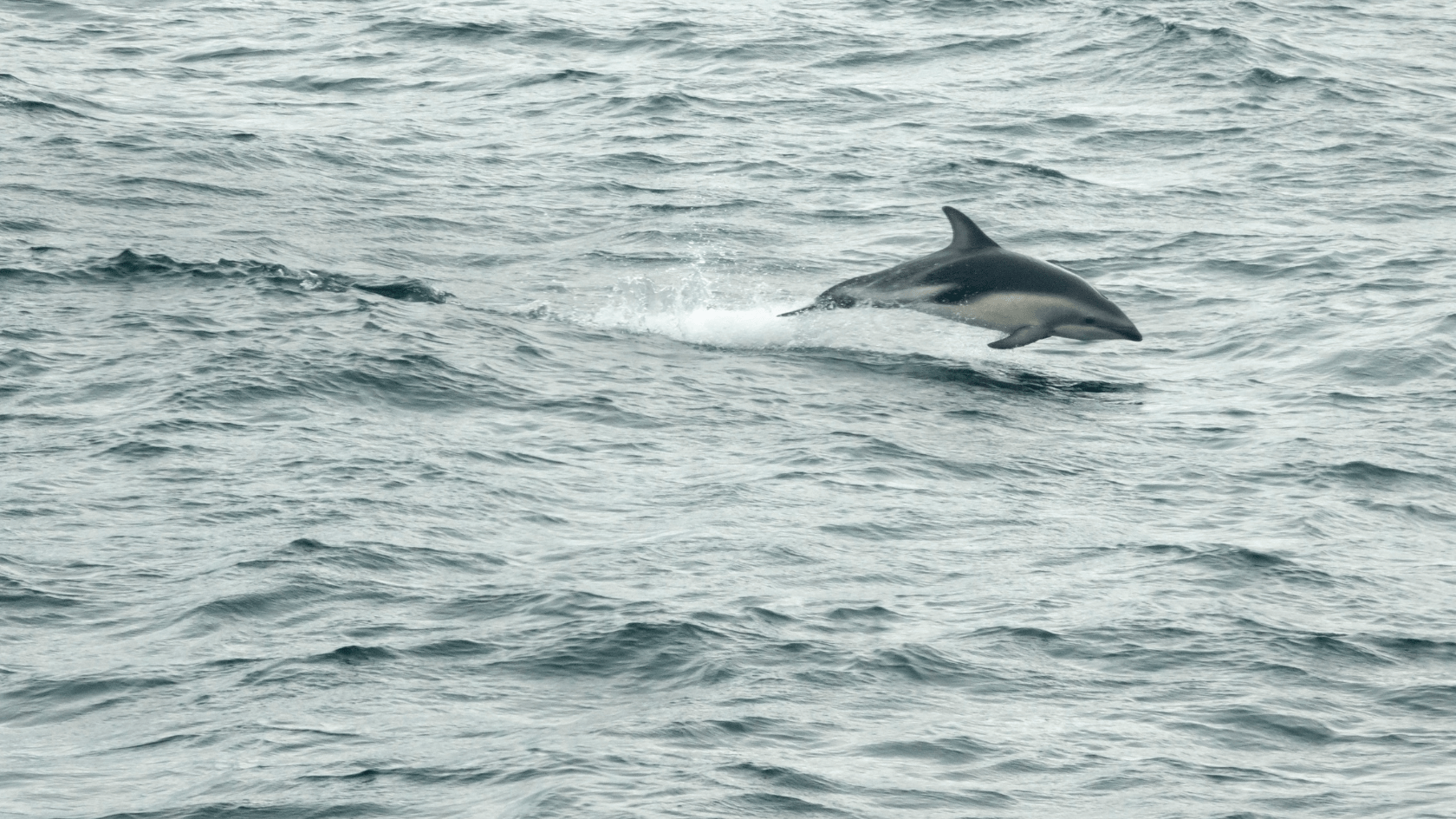
The Beagle Channel and surrounding islets teem with wildlife. On Isla Martillo, Magellanic and gentoo penguins nest from October to March, often within meters of Zodiac landings. South American sea lions haul out on rocky shores, while Fuegian red foxes hunt in coastal forests. Andean condors and black-browed albatrosses wheel above, and dolphins—including Commerson’s and Peale’s species—frequently bow-ride alongside cruise tenders. Peak wildlife viewing aligns with austral spring and summer, when breeding activity and extended daylight enhance every encounter.
Scenic Landmarks
Less than 15 kilometers from town, the “Train at the End of the World” retraces a historic convict rail line through lenga forests and peat bogs. The Martial Glacier looms overhead, reachable via chairlift for panoramic vistas of town, sea and distant ice floes. Cruises that call at Puerto Williams often offer motor-launch tours along the Beagle Channel, revealing the snow-draped peaks of Darwin Range and the iconic Les Éclaireurs Lighthouse perched on offshore rocks.
Conservation & Protected Areas
Tierra del Fuego National Park, a short drive west, protects over 63,000 hectares of sub-Antarctic forest, peatland and freshwater ecosystems. The park enforces strict “leave no trace” camping rules and restricts motorized access to safeguard fragile soils. Offshore, the Yaghan Marine Reserve preserves critical penguin and seal foraging habitat. Expedition operators strictly adhere to park permits, wildlife-viewing distances and plastic-free policies to ensure minimal environmental impact.
Best Viewing Periods
November through March offers the finest conditions: daytime temperatures hover between 0 °C and 8 °C, and daylight can exceed 16 hours. November and early December see penguin courtship and chick hatching; mid-summer (January) provides the warmest, calmest seas for Zodiac cruises; late season (February–March) features peak whale-feeding activity and dramatic coastal ice calving. Cruises plan Puerto Williams calls to coincide with clear weather windows and optimal wildlife behaviors.
Typical Cruise Itineraries
In recent seasons, several luxury lines have introduced round-trip Antarctic Peninsula voyages from Puerto Williams. After flying into the town from Punta Arenas, guests embark on ice-class ships that traverse the Beagle Channel before navigating the Drake Passage. Sample routes include coastal exploration of remote fjords and landings on King George Island and the Antarctic Sound. All itineraries subject to weather and ice conditions.
- Itinerary A: 12 nights round-trip from Puerto Williams, focusing on the South Shetland Islands and northern peninsula.
- Itinerary B: 15 nights extending into the Weddell Sea for tabular iceberg viewing and Emperor penguin rookery visits.
- Itinerary C: 18 nights full circumnavigation of the peninsula with Falklands and South Georgia extensions.
Best Time to Travel
Optimal cruise departures from Puerto Williams occur between late November and early March. Early-season sailings maximize penguin-hatch sightings and minimal sea ice, while mid-season voyages boast extended daylight and calmer seas. Late-season trips offer dramatic glacial calving views, though ice advances can occasionally reroute landings.
Port Shore Excursions
When your expedition ship docks in Puerto Williams, optional shore tours introduce you to Patagonian wilderness and culture. Guided boat trips traverse the Beagle Channel to view sea lion colonies and seabirds. Overland, you can explore the Yamana Centre, visit the Marine Museum, or stroll the “Train at the End of the World” heritage railway. Most excursions are packaged by the cruise line as pre- or post-cruise add-ons.
Adventure Excursions
Cruise partners offer small-group kayak outings on calm channels near town, paddling among floating ice and under snow-dusted peaks. When weather permits, guided snorkeling in thermal dives showcases kelp forests and fish species endemic to sub-Antarctic waters. All activities include professional guides, safety gear and environmental briefings.
Onboard Enrichment
Before departure and during the Beagle Channel transit, attend lectures by polar experts covering glaciology, marine biology and local indigenous history. Photography workshops teach techniques for low-light scenes and wildlife portraits, while citizen-science projects—such as plankton sampling and bird-count surveys—enable guests to contribute to ongoing research.
Optional Special Experiences
Certain expeditions offer helicopter flights from Puerto Williams to Cape Horn, providing aerial views of one of the world’s most remote maritime landmarks. Guided “Polar Plunges” allow daring guests to momentarily immerse in near-freezing waters under strict safety protocols. Availability varies by ship and seasonal conditions.
What to Pack
Among the essentials: thermal base layers, waterproof shell jacket and pants, sturdy boots with good ankle support, insulated gloves, warm hat and UV-filtered sunglasses. A daypack, waterproof cases for electronics and high-SPF sunscreen will keep you comfortable during shore excursions.
Health & Safety
Crewed by certified medical officers, expedition ships maintain emergency-evacuation plans and carry comprehensive first-aid equipment. IAATO guidelines mandate safety briefings, Zodiac-boarding drills and group-size limits ashore to protect both travelers and wildlife. Satellite-link communication ensures prompt assistance, even in the most remote channels.
Environmental Etiquette
As part of the Antarctic Treaty system, cruises enforce strict “leave no trace” policies: all waste is retained onboard, single-use plastics are banned, and guests must maintain a minimum five-meter distance from wildlife. Pre-landing boot cleans prevent the introduction of non-native species into fragile ecosystems.
Record-Breaking Sites
Puerto Williams holds the title of the world’s southernmost city with year-round road access and a small airport—features that position it as a unique convergence of civilization and polar wilderness. Nearby Martial Glacier caves descend over 30 meters into ancient ice formations.
Cultural & Literary Connections
The town’s Yamana Centre honors the maritime heritage of Tierra del Fuego’s original inhabitants. Explorer logs from FitzRoy’s HMS Beagle to modern polar narratives frequently mention the strategic importance of Navarino Island as a safe harbor and research staging ground.
Conservation & Research Partnerships
Expedition operators collaborate with the Chilean Antarctic Institute, WWF and regional universities to support seabird monitoring, climate-change research and marine debris removal. Guests may participate in data collection that informs conservation policies across the Southern Ocean.
Puerto Williams´s itineraries
Emblematic Antarctica
Discover the highlights of the Antarctic Peninsula on this 10-night luxury expedition aboard L’Boreal.
- 8 days
- Le Boréal