Falkland Islands
Falkland Islands
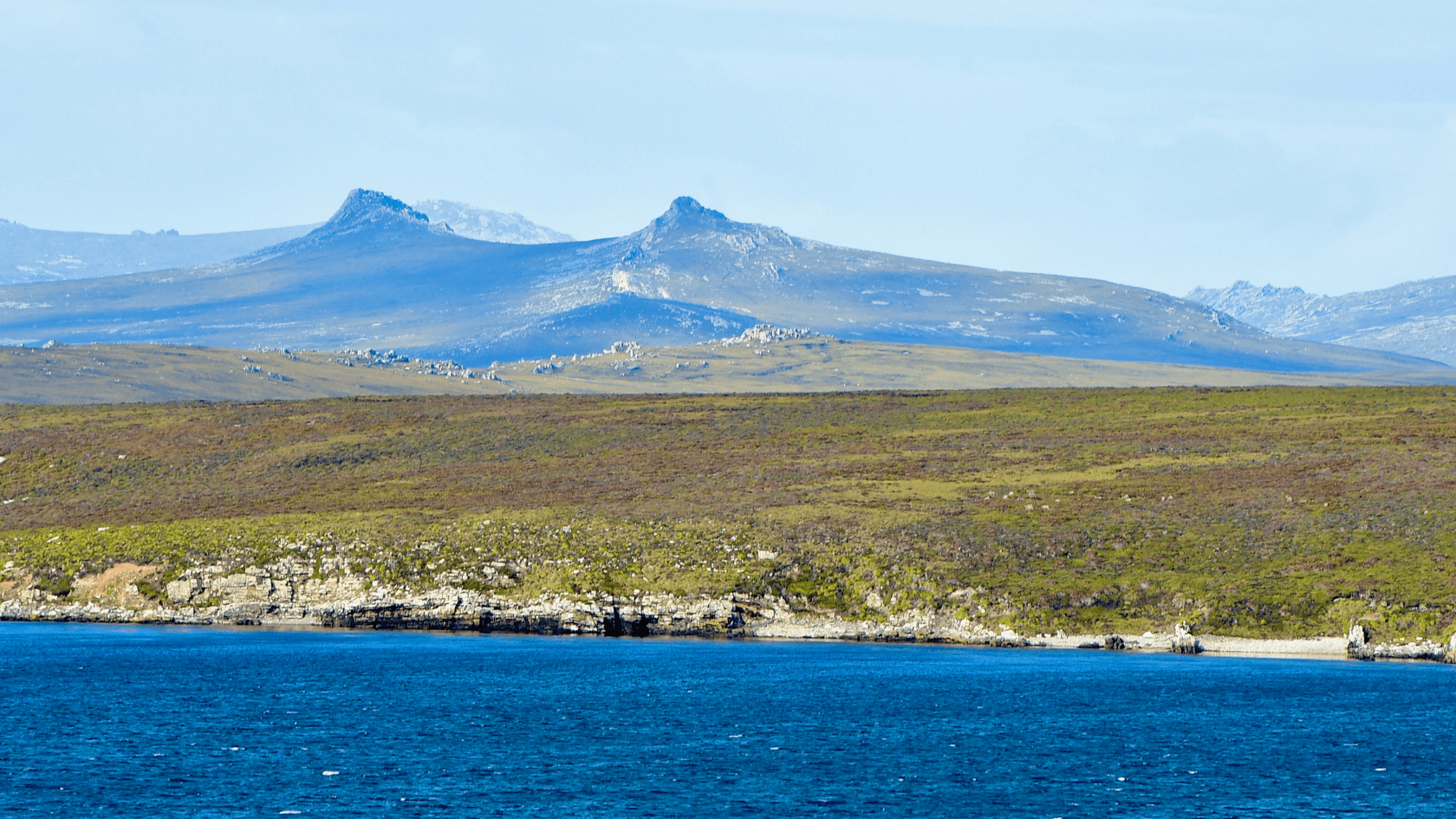
Situated some 480 kilometers east of Patagonia, the Falkland Islands (Islas Malvinas) comprise over 700 windswept islands framed by turquoise bays, rolling tussac grass meadows and rugged headlands. With a cool, maritime climate, long summer days and abundant wildlife, this remote archipelago appeals to luxury polar travelers seeking up-close encounters with penguin rookeries, albatross colonies and seal haul-outs before venturing onward to Antarctica. From the colorful British‐style capital of Stanley to secluded outer isles rich in biodiversity, the Falklands offer an enthralling prelude to any Antarctic expedition.
Introduction to Falkland Islands
Main Highlights of Falkland Islands
How to Visit Falkland Islands
Activities & Experiences
Practical Information for Travelers
Interesting Facts & Unique Features
Geographical Overview
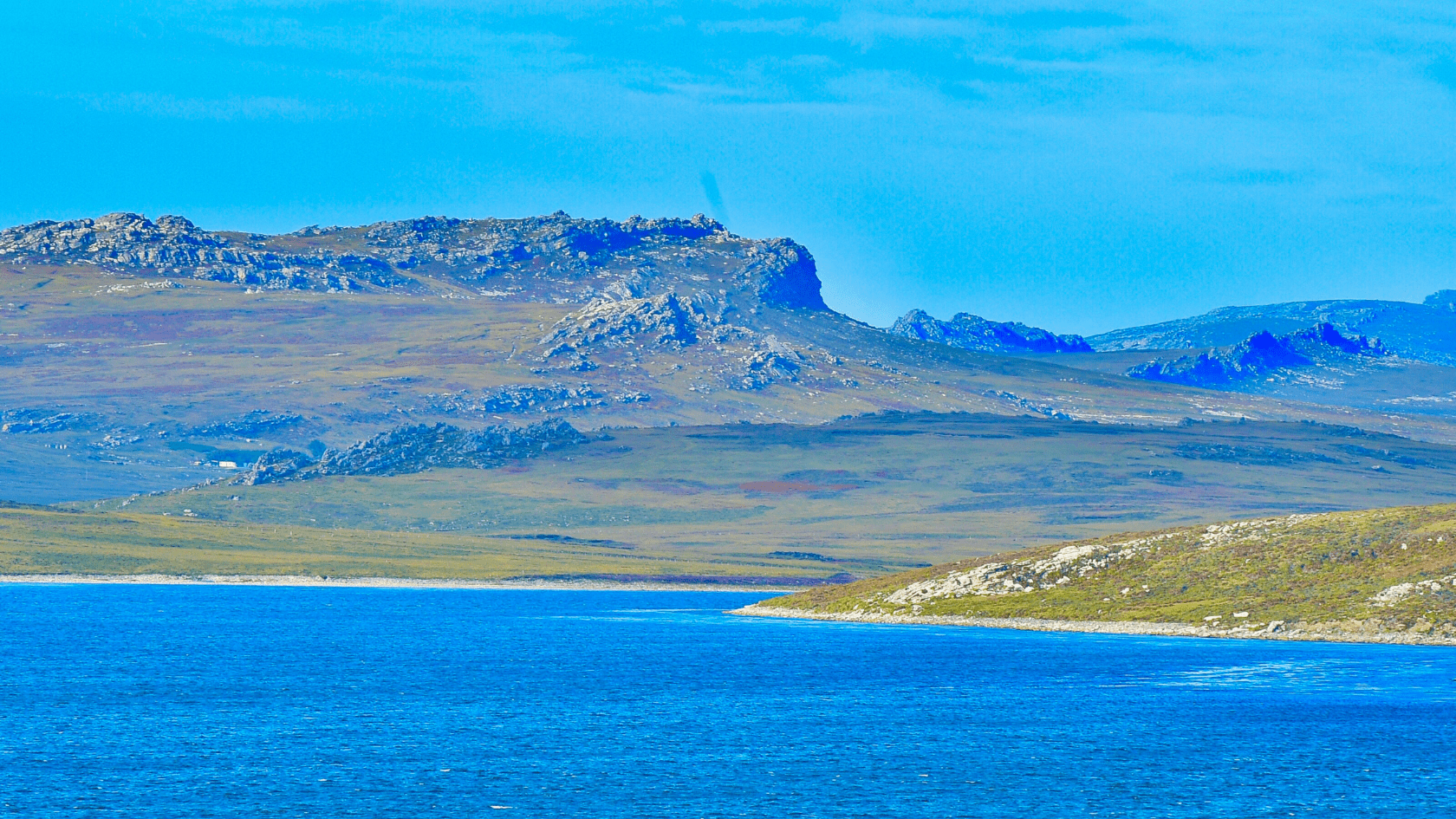
The Falklands lie between latitudes 51° and 53° S and longitudes 57° and 62° W, some 480 km off the coast of Argentina. East and West Falkland—the two principal islands—are separated by Falkland Sound, while hundreds of smaller isles, coves and inlets dot the coastline. The terrain ranges from low-lying peat bogs and tussac grass plains to rugged cliffs rising 200 m above sea level. The archipelago’s position exposes it to prevailing westerly winds and rapidly shifting weather.
Historical & Scientific Significance
The islands were first sighted by European explorers in the 16th century and have a contested colonial history between Britain and Argentina. Today, Stanley’s pastel-painted buildings and the 19th-century Christ Church Cathedral testify to its British heritage. Scientific interest focuses on bird and marine research: the local Falklands Conservation group and visiting research vessels study seabird breeding success, elephant seal population dynamics and the impacts of climate variability on sub-Antarctic ecosystems.
Wildlife Encounters
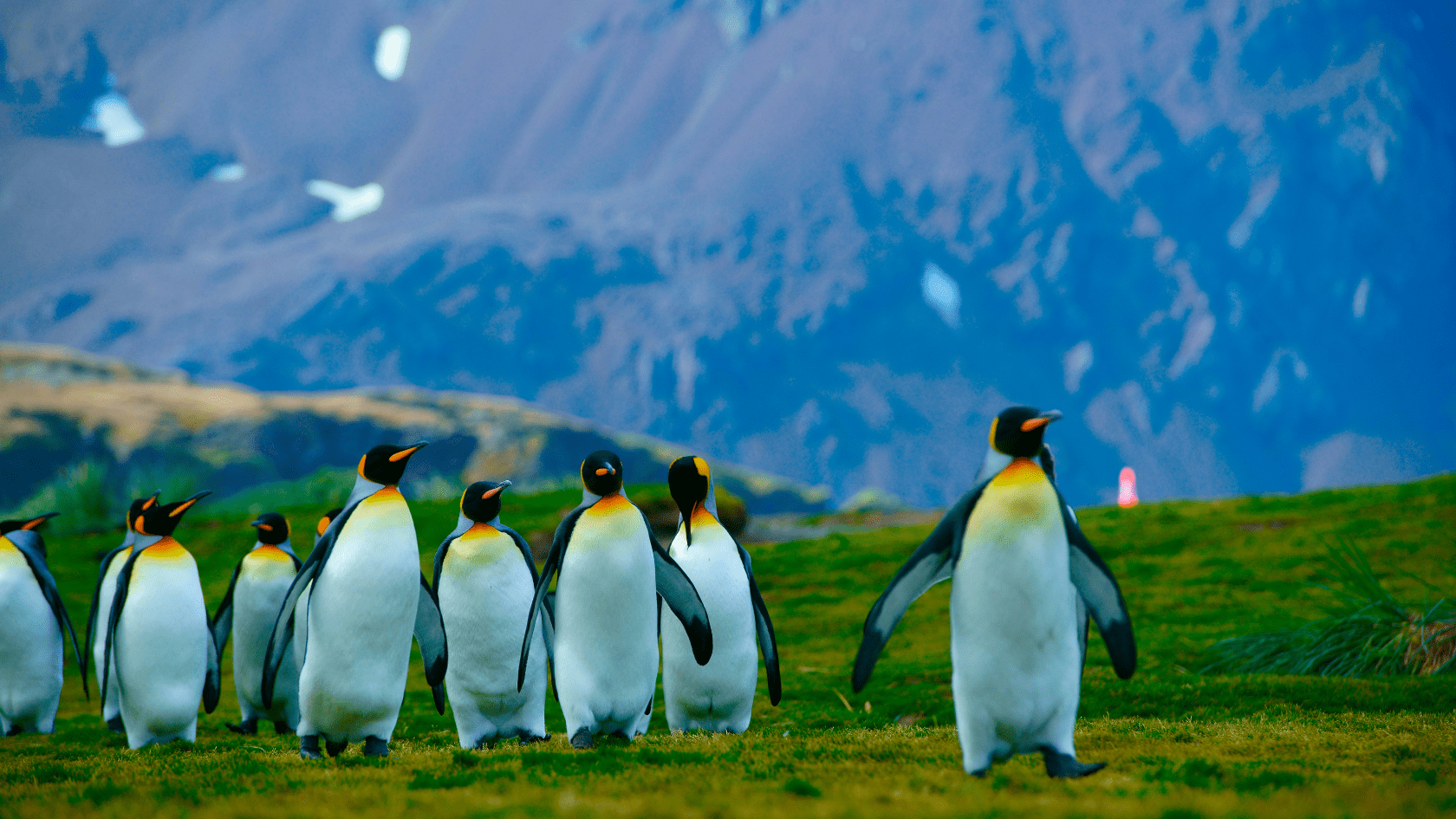
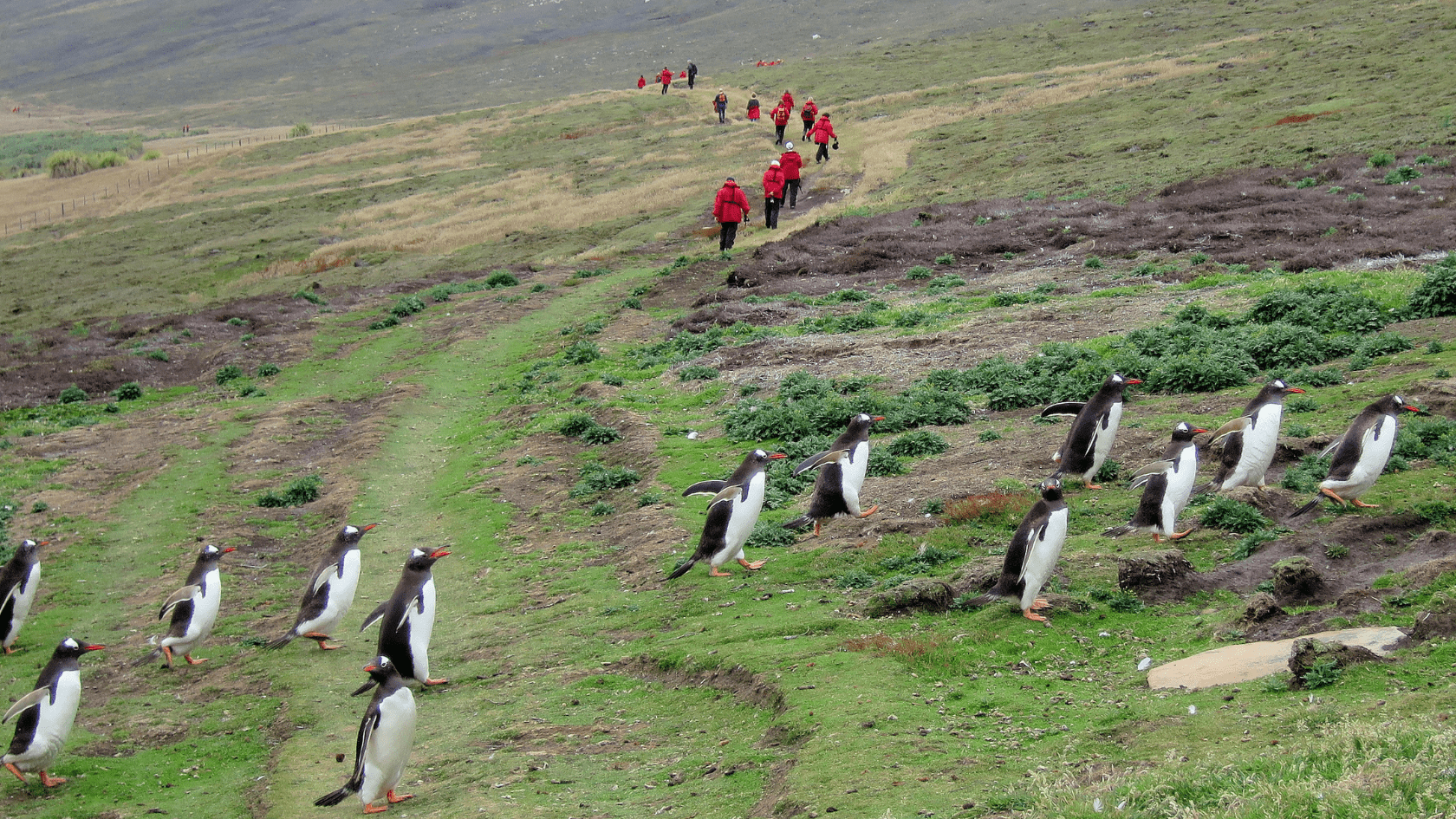
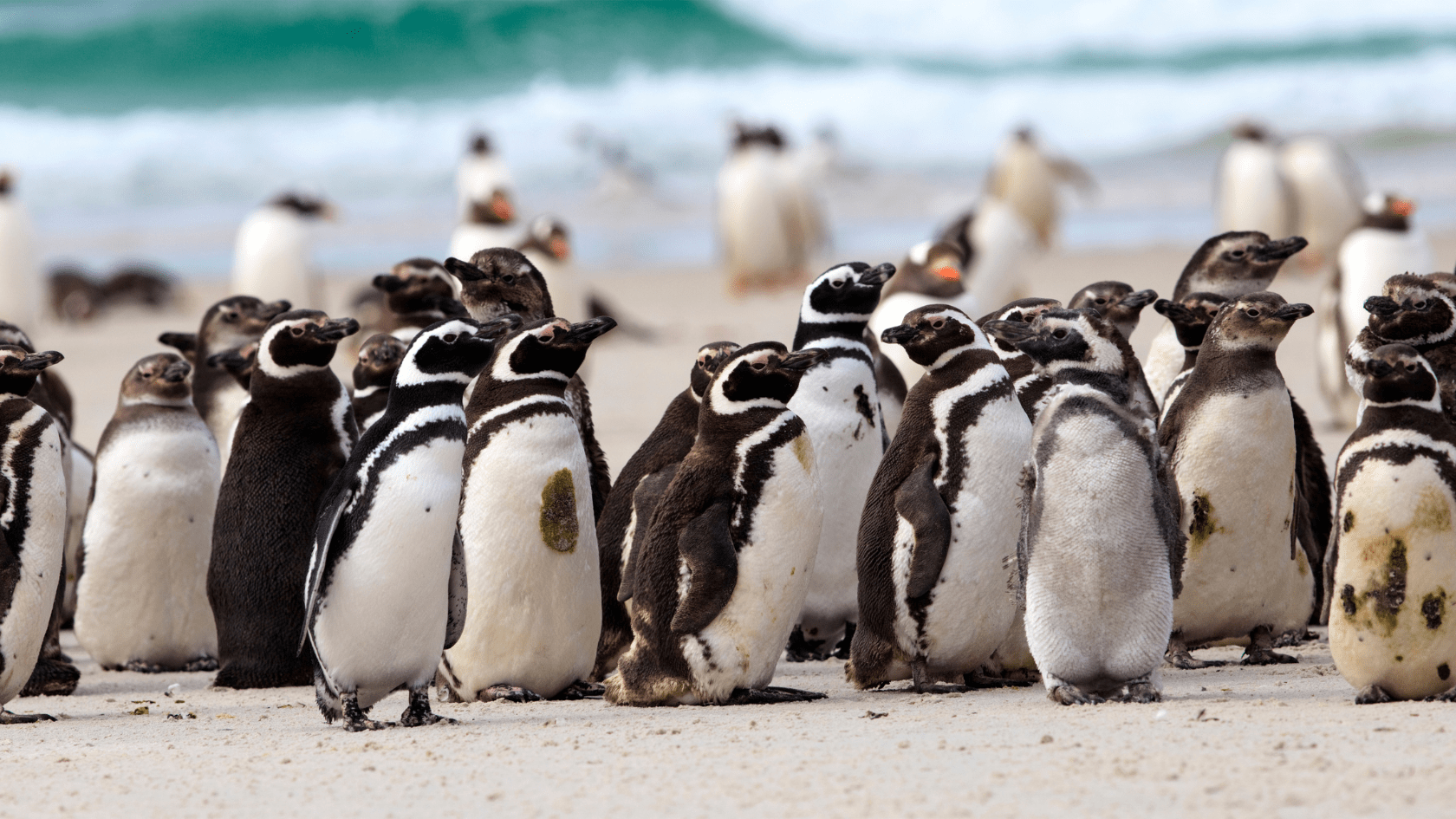
The Falklands host five penguin species: gentoo, Magellanic, rockhopper, king and occasionally macaroni. Volunteer‐guided walks at Volunteer Point and Saunders Island put visitors within meters of waddling colonies during their October–April breeding season. Black-browed and wandering albatrosses nest on West Point and New Island, their 3.5 m wingspans soaring above sheer cliffs. Southern elephant and fur seals haul out on beaches at Carcass and Sea Lion Islands, while Commerson’s dolphins bow-ride the ship’s wake in Falkland Sound.
Scenic Landmarks
Stanley Harbour’s sheltered waters reflect glacier-carved hills, accessed via a scenic drive along the peaty shoreline. Gypsy Cove’s white quartz beaches contrast with the black-and-white plumage of Magellanic penguins. On Sea Lion Island, rolling hills dotted with tussac grass sweep down to hidden coves where azure water laps white-sand shores. The volcanic spires of West Point Island rise from the sea, creating dramatic backdrops for albatross nesting platforms.
Conservation & Protected Areas
The archipelago’s marine zone is a UK Overseas Territory Marine Protected Area, safeguarding over 460,000 km² of ocean. Land-nesting bird sanctuaries—such as New Island Reserve—enforce strict visitor controls, while invasive species eradication has restored native habitat on several outer isles. IAATO‐aligned cruise operators follow park guidelines: limiting group sizes ashore, requiring biosecurity measures and banning single-use plastics to preserve these fragile ecosystems.
Typical Cruise Itineraries
Most Antarctic expedition cruises include a 2–3-day call at the Falklands en route from Ushuaia or Punta Arenas. Itineraries often feature:
- Itinerary A: 20-night Ushuaia → Falklands → South Georgia → Antarctic Peninsula → Ushuaia.
- Itinerary B: 23-night Ushuaia → Falklands → South Georgia → South Sandwich Islands → Antarctic Peninsula → Ushuaia.
- Itinerary C: 19-night Ushuaia → Falklands → Antarctic Peninsula → Ushuaia (fly‐cruise option via King George Island).
Some voyages reverse direction, visiting the peninsula first and concluding with the Falklands on the return leg.
Best Time to Travel
October–March offers the most favorable conditions: daytime highs of 8–12 °C, 16–18 hours of daylight and peak wildlife activity. October sees rockhopper colony arrivals and gentoo territory disputes; November–December hosts penguin egg-laying; January interior chick-rearing and albatross hatching; February–March brings seal pupping and adult penguin fledging. Early bookings ensure access during the busiest months of December and January.
Expedition Landings
Expert-led Zodiac cruises ferry small groups ashore to sites like Volunteer Point, Carcass Island and New Island. Ashore, naturalists guide visitors along established boardwalks and paths through penguin colonies and albatross nesting grounds, offering insights into breeding behaviors and island ecology. Landings—always weather-dependent—occur once or twice per day, limited to 100 guests per site.
Adventure Excursions
Sea-kayaking is offered by many expedition vessels, allowing paddlers to glide among islets, seal haul-outs and shallow bays thick with foraging birds. Stand‐up paddleboarding occasionally features in sheltered coves, providing unique vantage points on wildlife. No glacier treks or snow-based activities occur here, as the Falklands are free of permanent ice.
Onboard Enrichment
Daily lecture series by ornithologists, marine biologists and historians cover topics from seabird identification to the Falklands War. Photography workshops equip guests to capture fast-moving wildlife and delicate light conditions. Citizen-science projects—logging bird counts and plankton samples—enable travelers to contribute to ongoing conservation research.
Optional Special Experiences
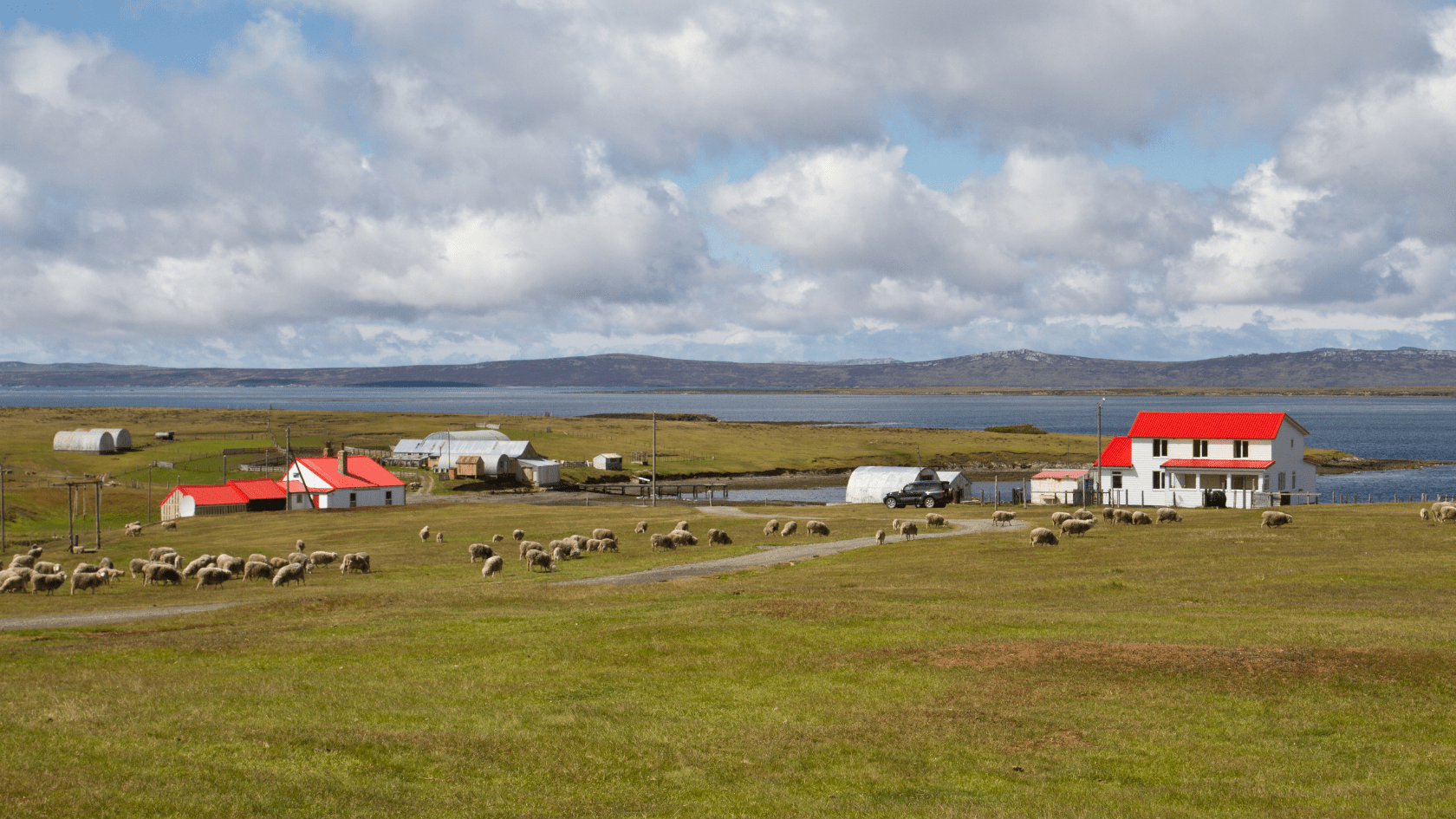
Some ships offer guided hikes on West Point Island’s albatross plateau and Carcass Island’s sheep-grazed grasslands for birdwatchers seeking endemic species. Fly-cruise itineraries include flights to and from Stanley, bypassing the Drake Passage entirely. No helicopters or submersibles operate in the Falklands sector.
What to Pack
Essentials include waterproof, windproof outer layers; thermal base and mid‐layers; sturdy, waterproof boots with good grip; warm hat and gloves. A packable daypack, UV-filtered sunglasses and high-SPF sunscreen protect against sun and wind. Sea sickness remedies are recommended for Drake Passage crossings.
Health & Safety
Ships carry medical officers and follow IAATO safety protocols for Zodiac operations and landings. Briefings cover cold‐weather awareness, wildlife distances (minimum 5 m) and emergency procedures. Fly‐cruise guests undergo standard pre-flight health screenings to ensure safe air travel between Falklands and Antarctica.
Environmental Etiquette
Visitors must adhere to strict “leave no trace” policies: all waste is retained onboard, single-use plastics are banned, and naturalists enforce minimum approach distances to animals. Footwear is disinfected before each landing to prevent introduction of non-native seeds and invertebrates.
Record-Breaking Sites
Volunteer Point hosts over 60,000 King penguins at peak—one of the largest rookeries on Earth. New Island’s albatross colony supports over 5,000 pairs of black-browed albatross, the world’s largest.
Cultural & Literary Connections
The war memorials in Stanley commemorate the 1982 Falklands Conflict, adding historical depth to the landscape. Writers such as Bruce Chatwin and Tim Cahill have chronicled the islands’ remote allure in travel literature.
Conservation & Research Partnerships
Cruise operators partner with Falklands Conservation, the British Antarctic Survey and the RSPB to support seabird monitoring, seal population studies and invasive species eradication. Guests’ citizen-science data inform regional conservation strategies.
Falkland Islands´s itineraries
Emblematic Antarctica
Discover the highlights of the Antarctic Peninsula on this 10-night luxury expedition aboard L’Boreal.
- 8 days
- Le Boréal