Antarctic Peninsula
Antarctic Peninsula
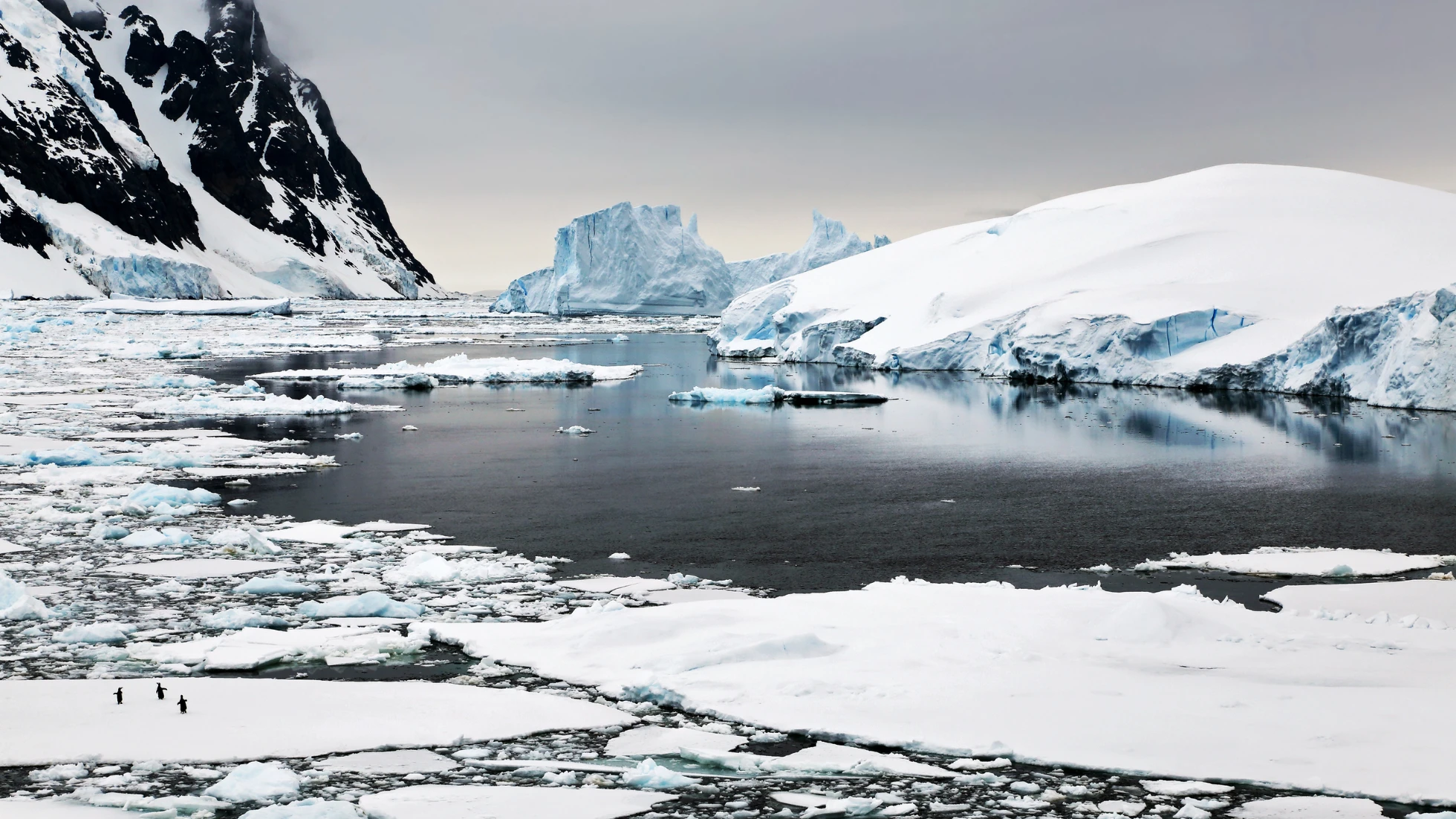
The Antarctic Peninsula, the slender jutting finger at the very edge of the Southern Ocean, is a realm of towering ice cliffs, sapphire-hued fjords and astonishing biodiversity. Over the austral summer, temperatures can rise just above freezing, melting intricate patterns in the ice and inviting intrepid travellers to witness breathtaking calving glaciers, playful penguin colonies and humpback whales breaching in sheltered bays. For the luxury explorer seeking both adrenaline-fuelled adventure and serene communion with nature’s final frontier, the Antarctic Peninsula delivers an unrivalled sense of discovery.
Introduction to Antarctic Peninsula
Main Highlights of Antarctic Peninsula
How to Visit the Antarctic Peninsula
Activities & Experiences
Practical Information for Travellers
Interesting Facts & Unique Features
Geographical Overview
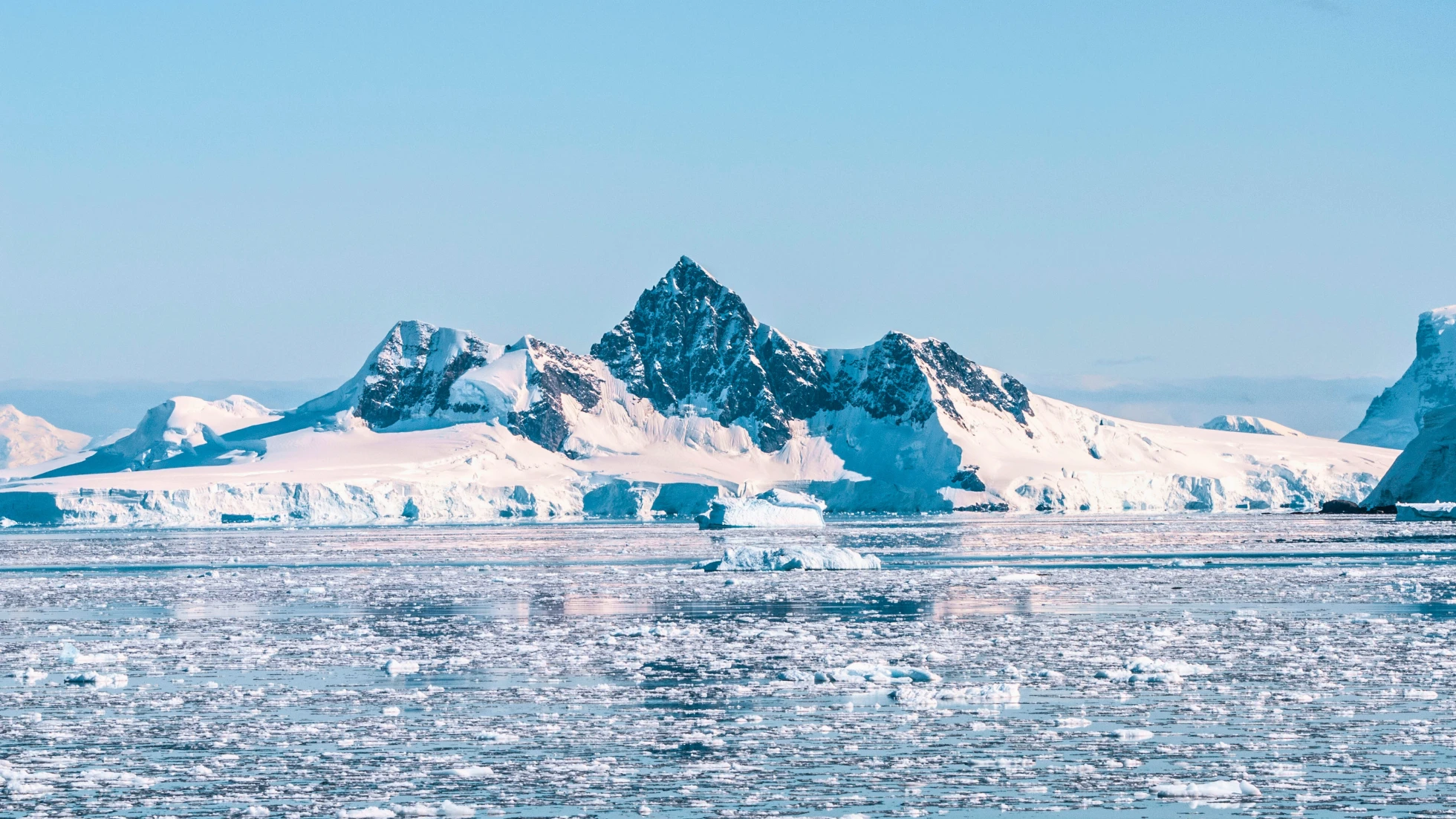
Extending some 1,300 kilometres northward from the tip of Graham Land toward South America, the Antarctic Peninsula is the most accessible part of the continent. A serrated backbone of mountains—some summiting over 2,800 metres—rises above the ice sheet, feeding vast glaciers that carve deep channels into the coast. Between these rocky promontories lie labyrinthine waterways studded with tabular icebergs and sculpted bergy bits. The peninsula’s position straddles the 63°–70° South latitudes, where the Southern Ocean’s currents swirl with ice-laden drift.
Historical & Scientific Significance
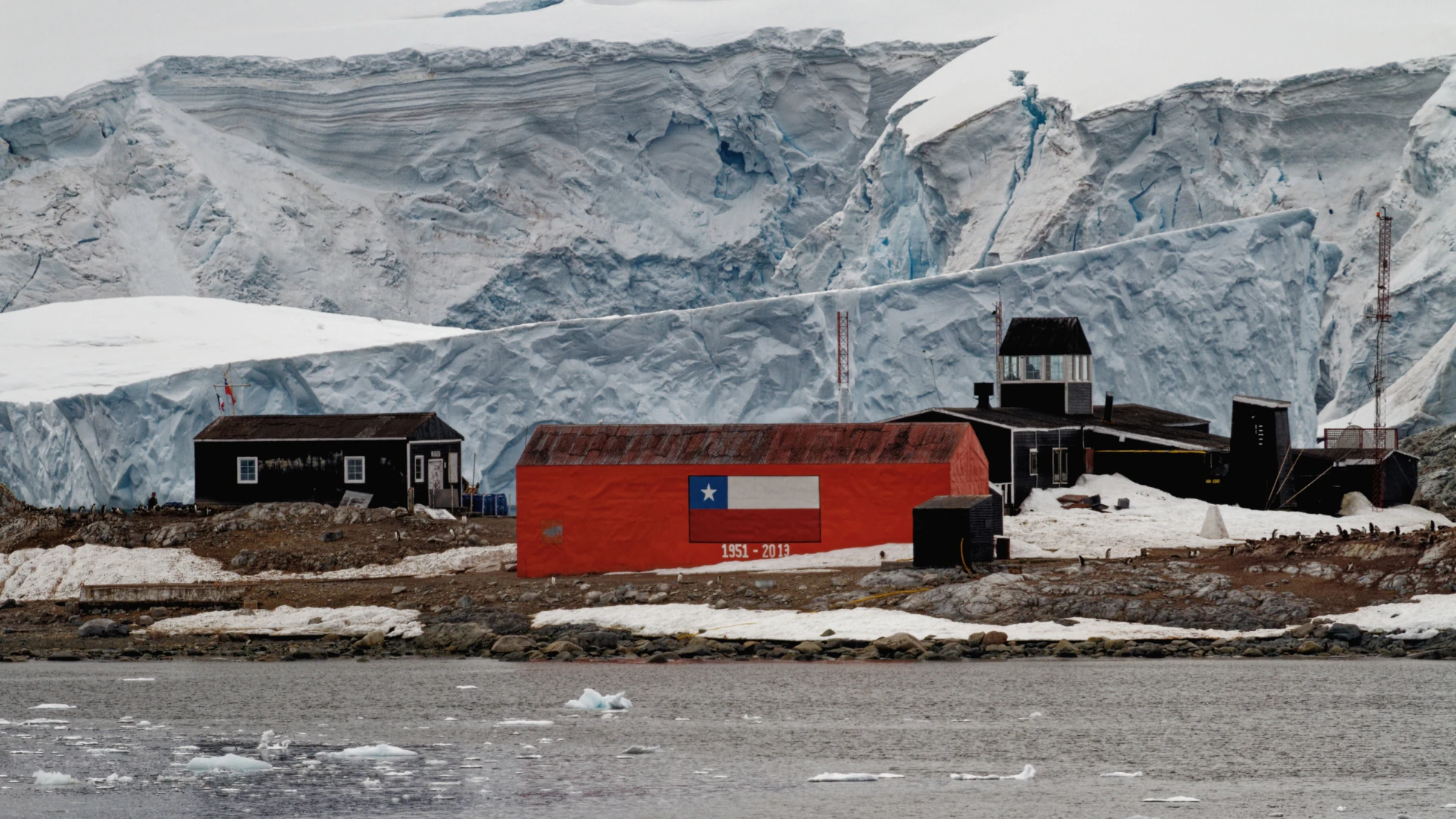
Early sightings by sealers in the early 1800s gave way to heroic-age expeditions led by the likes of Adrien de Gerlache and Ernest Shackleton. Their vessels threaded the same treacherous Drake Passage that modern cruises now tame in comfort. Today, a dozen research stations—including Palmer (USA), Rothera (UK) and Vernadsky (Ukraine)—dot the peninsula, advancing climate science, glaciology and marine biology. Guests aboard expedition ships often witness scientists conducting live-fieldwork: collecting plankton samples, measuring ice-thickness and monitoring penguin colonies.
Wildlife Encounters
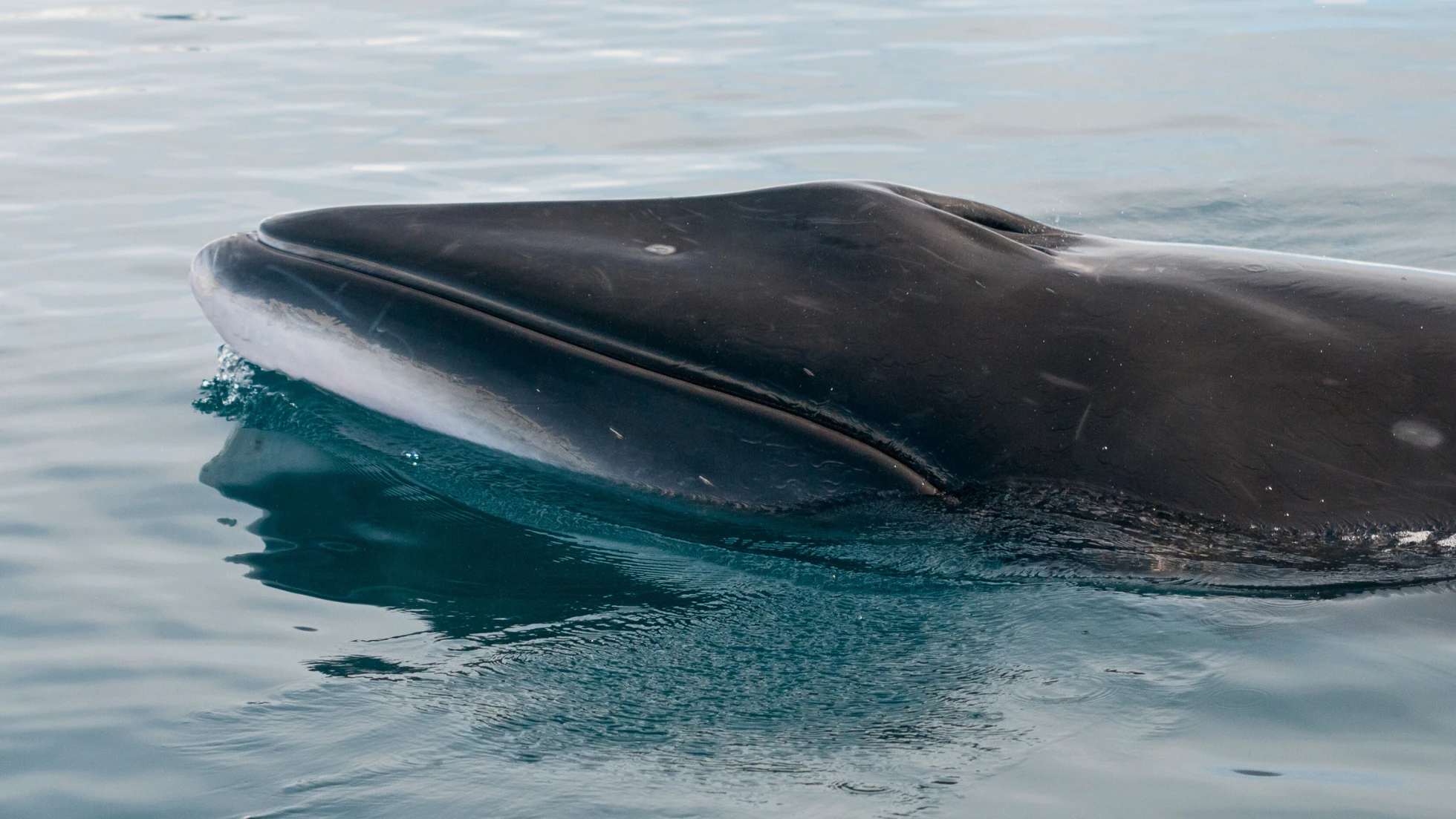
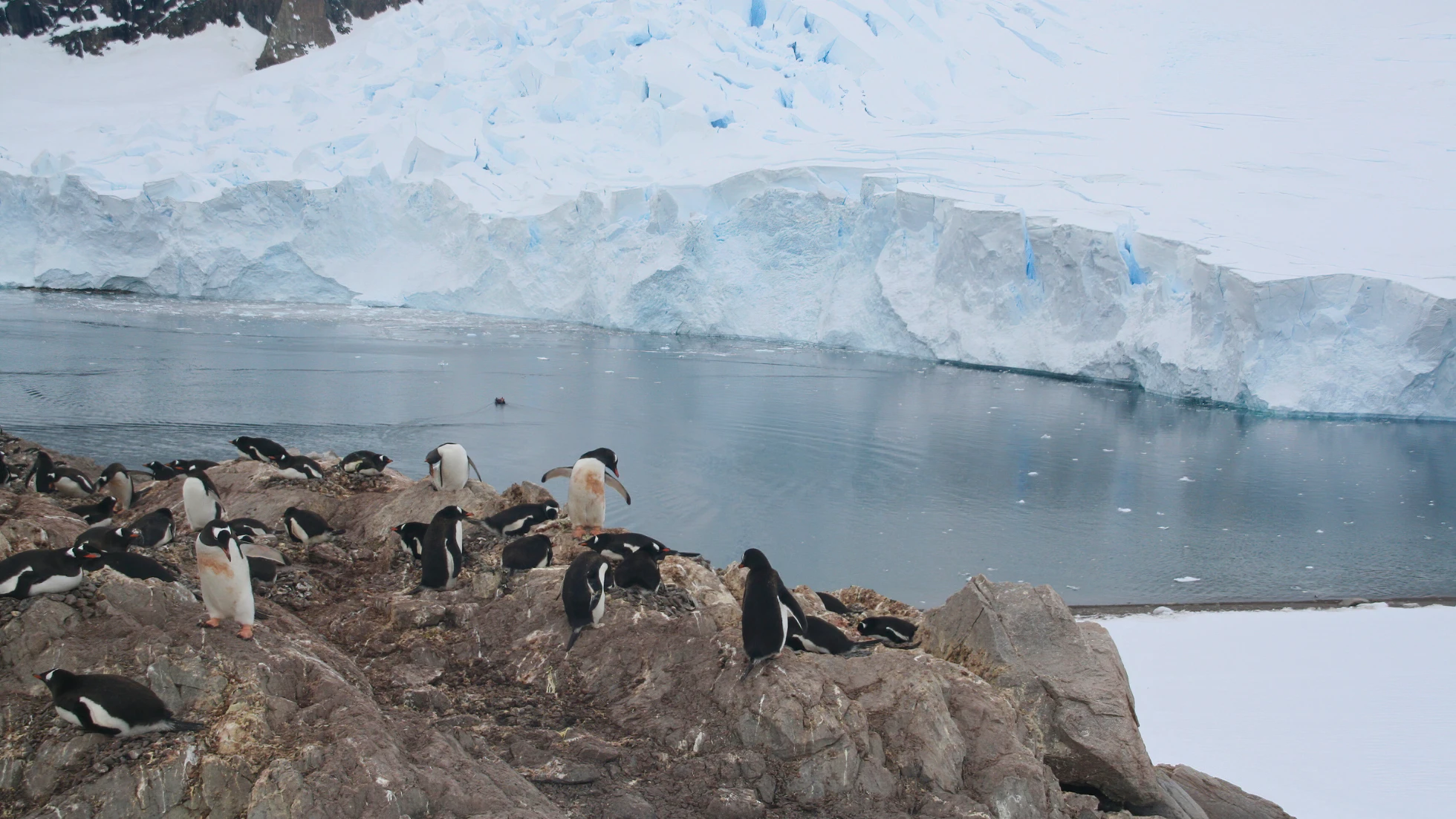
The peninsula’s shores echo with penguin chatter: chinstrap penguins squawk on rocky slopes, gentoo penguins nest in gravelly beaches, and Adélie pairs tend to newly hatched chicks. Weddell and leopard seals lounge on ice floes while orcas and humpbacks cruise beneath. Peak wildlife viewings occur between December and February, when feeding whales and fledgling penguins offer memorable photo opportunities. On a single day, you might witness a pod of orcas breaching near your Zodiac, then step ashore amid hundreds of waddling chicks.
Scenic Landmarks
Lemaire Channel—known to photographers as “Kodak Gap”—is a narrow gorge between 1,200-metre granite cliffs that mirror in glassy water. Paradise Harbour, hemmed by glacially carved fjords, provides calm anchorage beneath ice-clad mountains. Neko Harbour’s pebble beach allows guests to disembark onto the continent itself, surrounded by panoramic spectacles of ice and sea. High above, Mount Scott’s snow-capped summit offers vantage points visible from miles offshore.
Conservation & Protected Areas
International agreements designate parts of the peninsula as Antarctic Specially Protected Areas (ASPAs), preserving sensitive ecosystems on islands such as Danco and Cuverville. Visitors strictly adhere to IAATO guidelines: group sizes ashore are capped at 100, and each landing site is rested for at least 24 hours between visits. Expedition operators partner with conservation NGOs to fund penguin monitoring and marine debris clean-up, ensuring future generations can experience this pristine wilderness.
Typical Cruise Itineraries
Most adventures begin in Ushuaia, Argentina, where guests board ice-strengthened expedition ships. After a 48-to-72-hour crossing of the famed Drake Passage—often choppy, yet exhilarating—the coastline of the peninsula emerges on the horizon. Voyages then sample sheltered inlets, weaving through iceberg alleys and historic exploration sites. Some itineraries venture further into the Weddell Sea, seeking vast tabular ice shelves and elusive Emperor penguins.
- Itinerary A: 10–12 nights via Drake Passage, focusing on the South Shetland Islands and northern peninsula landings.
- Itinerary B: 14–16 nights including Antarctic Sound, with prime views of tabular bergs and possible Emperor penguin encounters.
- Itinerary C: 20+ nights full circumnavigation, combining the peninsula with South Georgia and the Falkland Islands.
Best Time to Travel
November to early December sees melting ice and newly hatched penguin chicks, offering intimate wildlife moments. Mid-December to January brings the warmest air temperatures (0 °C to +2 °C) and near-24-hour daylight, ideal for extended landings. February to March features dramatic glacier calving and peak whale feeding, though increasing ice may restrict some shore sites. Each window blends scientific intrigue with photographic splendour.
Expedition Landings
Once the Drake Passage is crossed and the Antarctic Peninsula comes into view, expert-led Zodiac cruises ferry small groups ashore at predetermined sites. Guests step onto ice-fringed beaches and rocky coves—under strict IAATO limits of 100 ashore at a time—to observe penguin rookeries, seal haul-outs and historic explorer huts.
Adventure Excursions
Sea-kayaking is offered on many voyages, allowing paddlers to glide between ice floes and alongside curious gentoo and chinstrap penguins. On ships equipped for it, guests may also don dry suits for guided snorkeling beneath ice edges to glimpse schools of Antarctic silverfish.
Onboard Enrichment
Daily lectures by marine biologists, glaciologists and polar historians provide scientific context. Photography workshops focus on low-light iceberg and wildlife techniques, while citizen-science programs—plankton sampling, krill surveys and bird counts—invite guests to contribute to ongoing research.
Optional Special Experiences
Certain ships offer overnight Polar Camping, where small teams pitch insulated tents on stable ice and dine under the midnight sun. The Polar Plunge—brief swims in icy water—lets adventurous travellers earn a true polar badge under close supervision and safety protocols.
What to Pack
Key items include a down parka, fleece and merino base layers, waterproof salopettes, thermal gloves, insulated hat and UV-rated sunglasses. Sturdy, slip-resistant boots and thick woollen socks are crucial. Sunscreen and high-SPF lip balm protect against glare, while a small daypack stows essentials ashore.
Health & Safety
Ships carry qualified medical officers and emergency-evacuation equipment. IAATO’s strict landing protocols—biosecurity checks, group limits and guide oversight—ensure personal safety and wildlife protection. Briefings cover Zodiac boarding, cold-weather awareness and sea-condition risks.
Environmental Etiquette
Visitors must maintain a five-metre distance from wildlife, never leave any waste behind and avoid disturbing fragile moss and lichen mats. Single-use plastics are banned; ships operate modern waste-management systems, including advanced water treatment and recycling.
Record-Breaking Sites
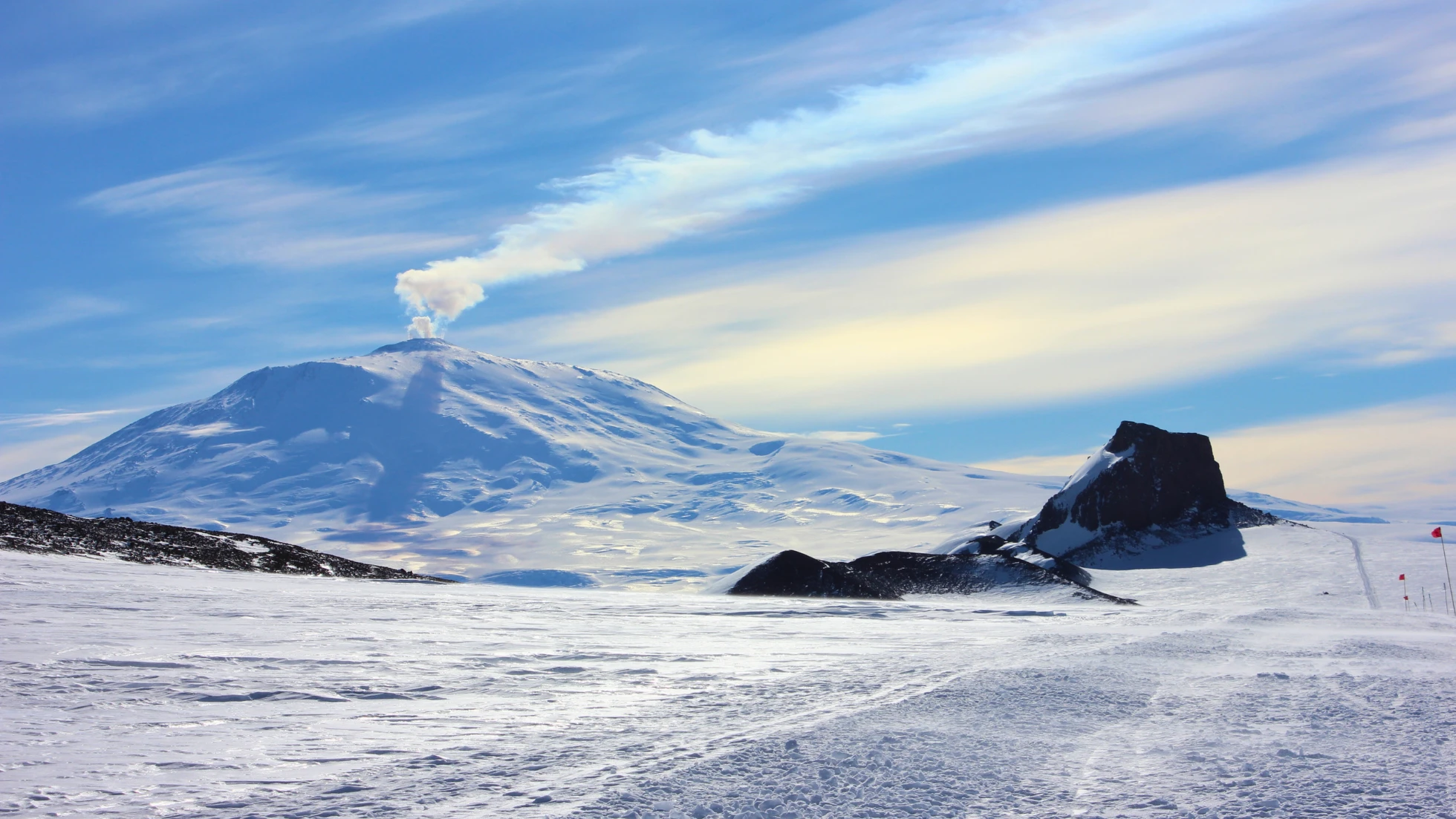
At Port Lockroy lies the world’s southernmost functioning post office and museum, where visitors can send postcards stamped “Antarctica.” Beneath the Erebus Ice Tongue, subglacial caves descend hundreds of metres, harboring life adapted to perpetual darkness.
Cultural & Literary Connections
The peninsula’s stark beauty inspired early polar fiction and Shackleton’s Endurance epic. Today, international artists and writers undertake Antarctic residencies, capturing the continent’s ephemeral light in paint, film and prose.
Conservation & Research Partnerships
Expedition companies collaborate with the Scientific Committee on Antarctic Research (SCAR), WWF and leading universities to fund climate-change studies, track penguin population trends and remove marine debris. Every voyage becomes a partnership in preserving this remote wilderness.
Antarctic Peninsula´s itineraries
Emblematic Antarctica
Discover the highlights of the Antarctic Peninsula on this 10-night luxury expedition aboard L’Boreal.
- 8 days
- Le Boréal